Foodventures Abroad

  • About
  • Contact
  • Destinations
menu icon
go to homepage
  • About
  • Contact
  • Destinations
    • Pinterest
  • subscribe
    search icon
    Homepage link
    • About
    • Contact
    • Destinations
    • Pinterest
  • ×
    Home » Trending

    10 Foods You Should Never Refrigerate and Why

    Published: Dec 14, 2024 by Kristen Wood · This post may contain affiliate links · Leave a Comment

    Some foods lose their taste and texture in the fridge. Cold temperatures can make certain items go bad faster instead of keeping them fresh. It is better to store some things in a cool, dry place to keep them at their best.

    The fridge can also change how some foods ripen or soften. For example, chilling can stop natural processes, leaving things less flavorful. Knowing where to keep foods helps them last longer and taste better.

    Potatoes
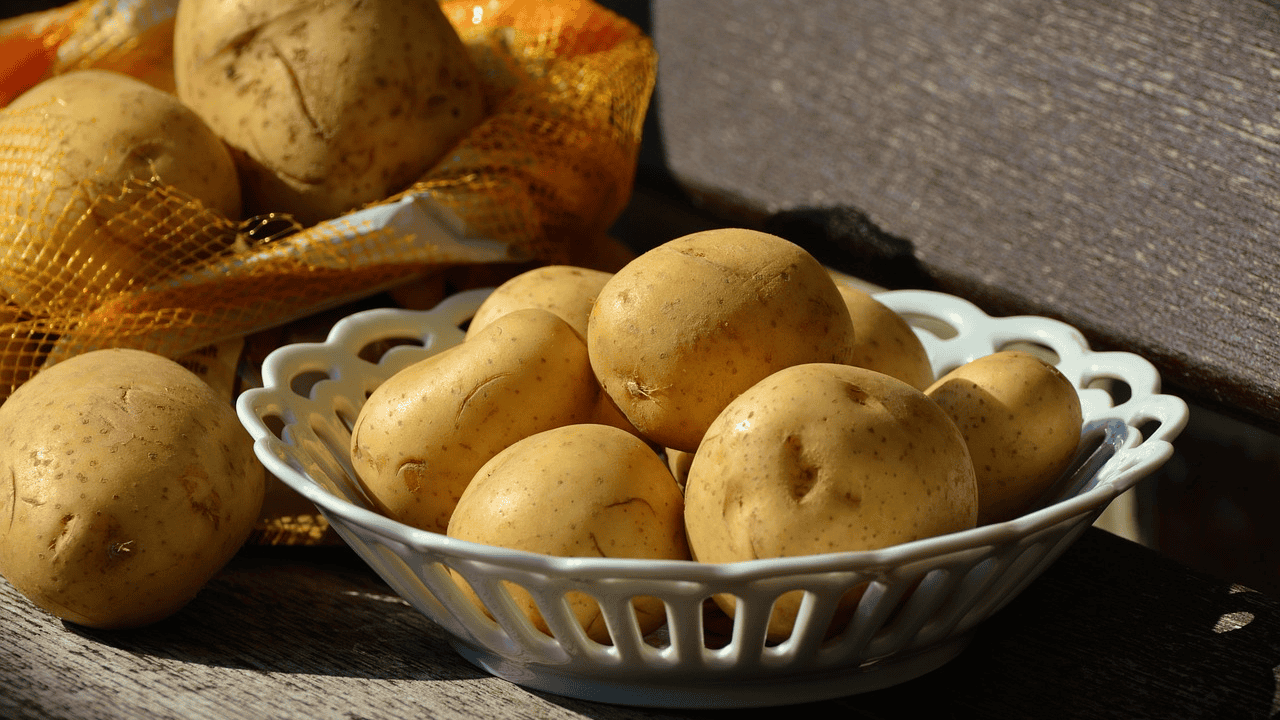
    A white bowl filled with several whole potatoes on a wooden surface, with a mesh bag containing more potatoes in the background.
    Photo credit: Pixabay.

    Cold temperatures turn potato starch into sugar, altering both their flavor and texture. This can result in an unpleasant sweetness when cooked. Store potatoes in a cool, dark, and dry place to keep them fresh.

    Newsletter

    Sign up to receive our latest posts to your inbox! No spam ever.

    Thank you!

    You have successfully joined our subscriber list.

    Honey

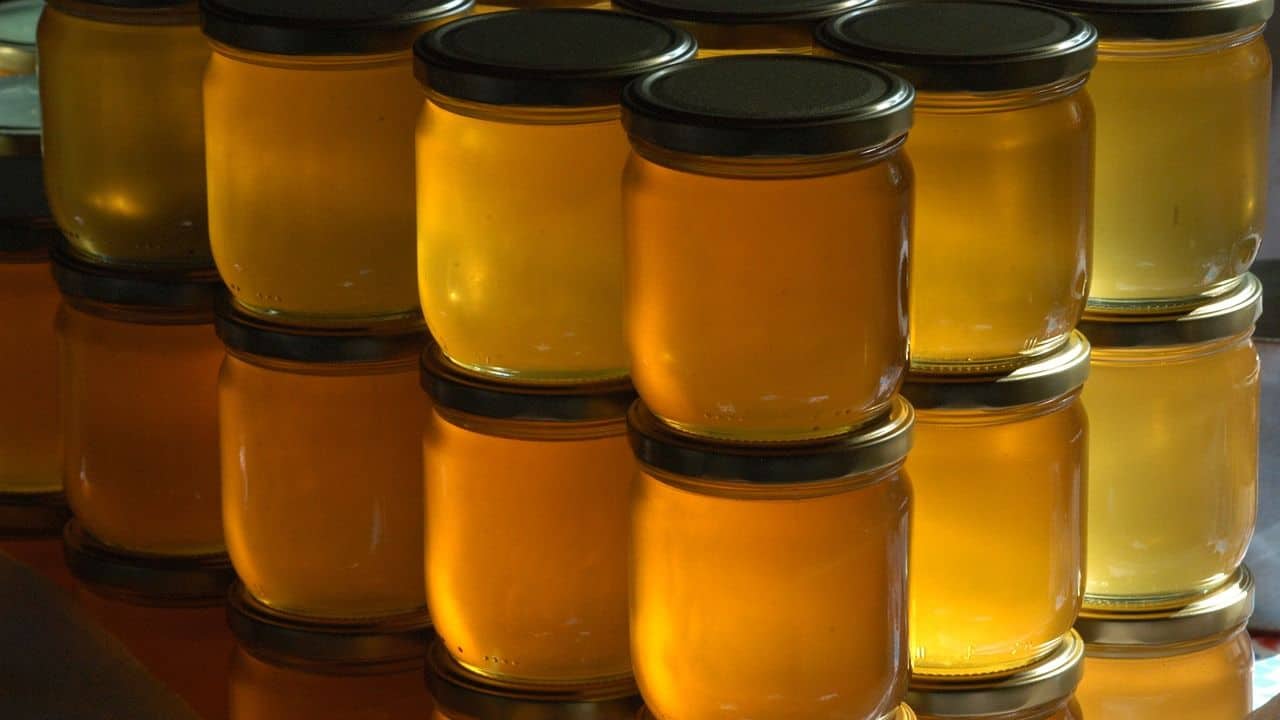
    Stacks of glass jars filled with golden honey, each sealed with a black lid, arranged in rows.
    Photo credit: Pixabay.

    Refrigerating honey causes crystallization, making it hard and difficult to use. Its natural preservatives keep it fresh for years without refrigeration. Store honey in a tightly sealed container at room temperature.

    Whole Melons
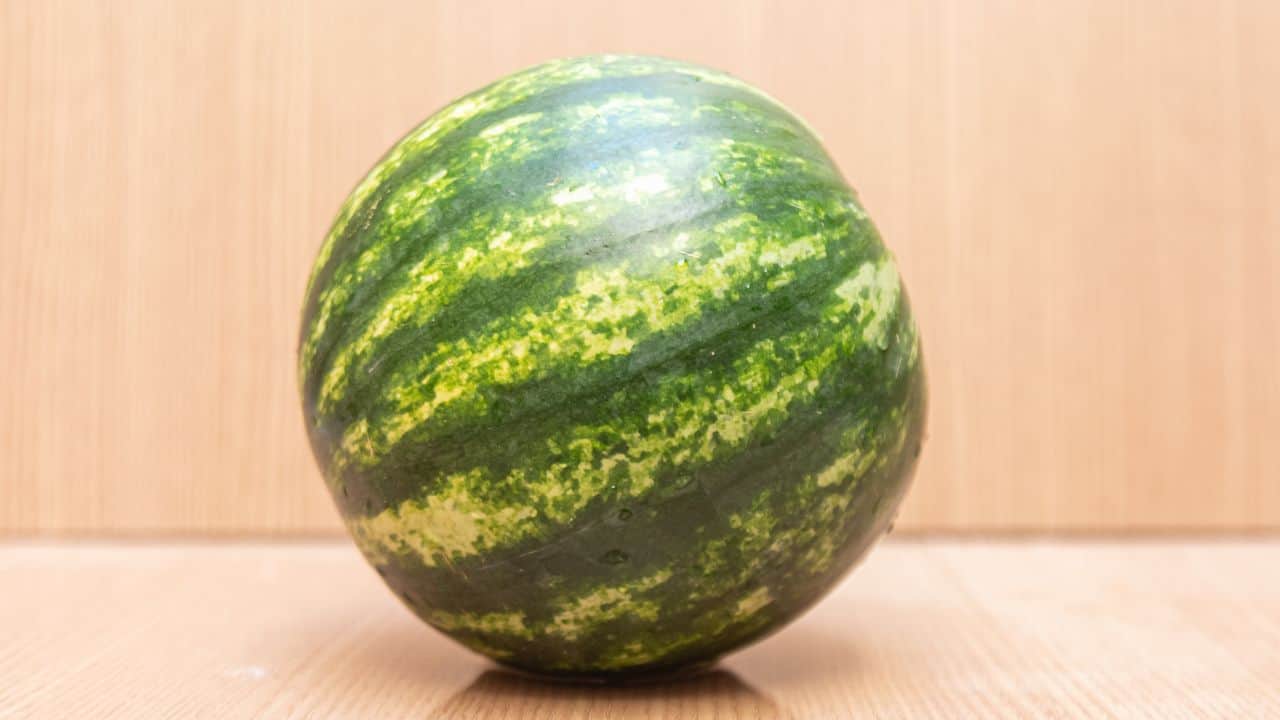
    A whole watermelon with a green and light green striped rind sits on a wooden surface against a plain background.
    Photo credit: Pixabay.

    Refrigerating whole melons dulls their flavor and reduces antioxidants. The cold temperature halts the natural ripening process, affecting sweetness. Store melons at room temperature until ready to cut.

    Bread
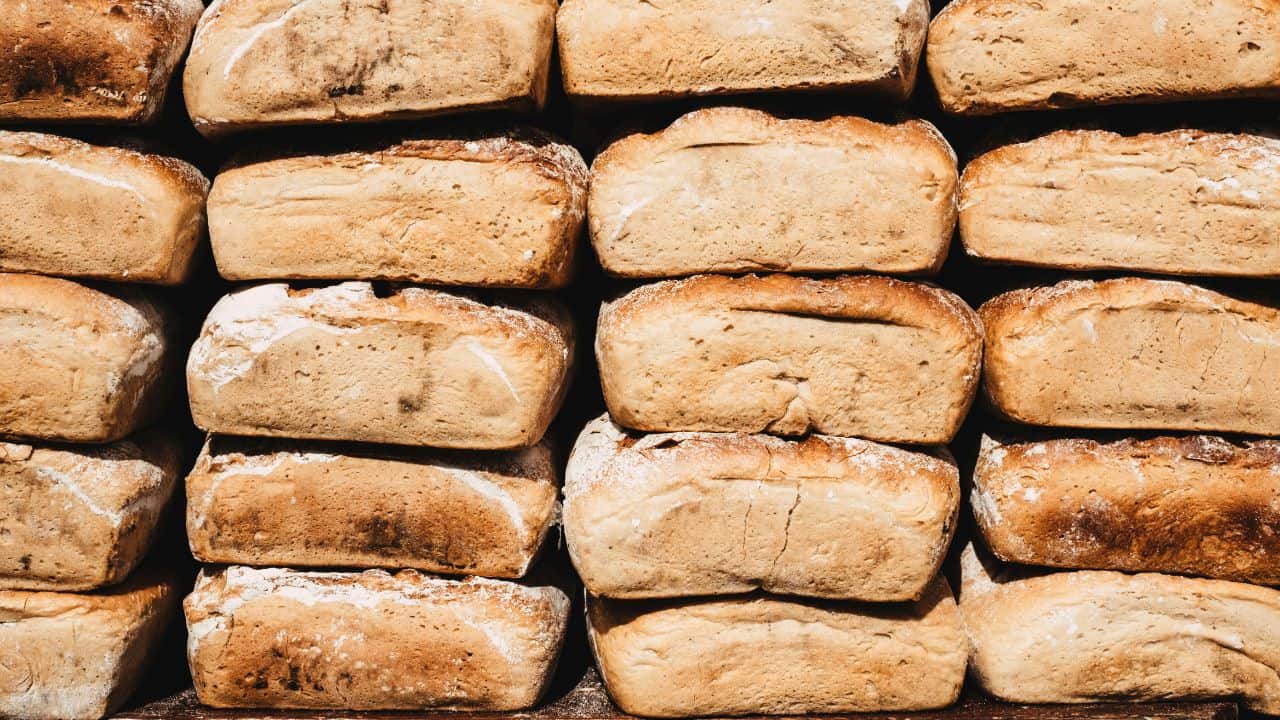
    Stacks of rustic, crusty bread loaves arranged in rows.
    Photo credit: Unsplash.

    The refrigerator accelerates the staling process, drying out bread quickly. While refrigeration slows mold growth, it compromises freshness and texture. Keep bread at room temperature or freeze it for long-term storage.

    Bananas
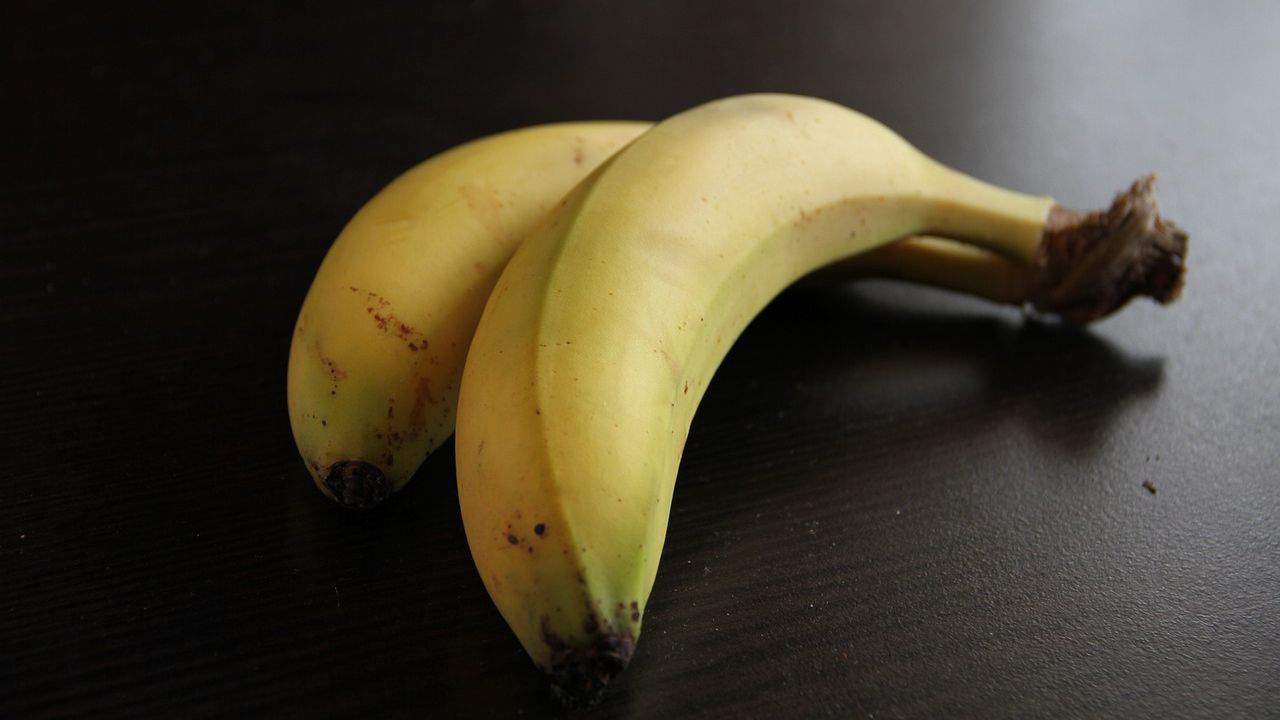
    Two ripe bananas lying on a dark surface.
    Photo credit: Pixabay.

    Cold temperatures damage banana skin, causing it to blacken, and halt the ripening process. This prevents the fruit from reaching its optimal flavor. Store bananas at room temperature until ripe.

    Garlic
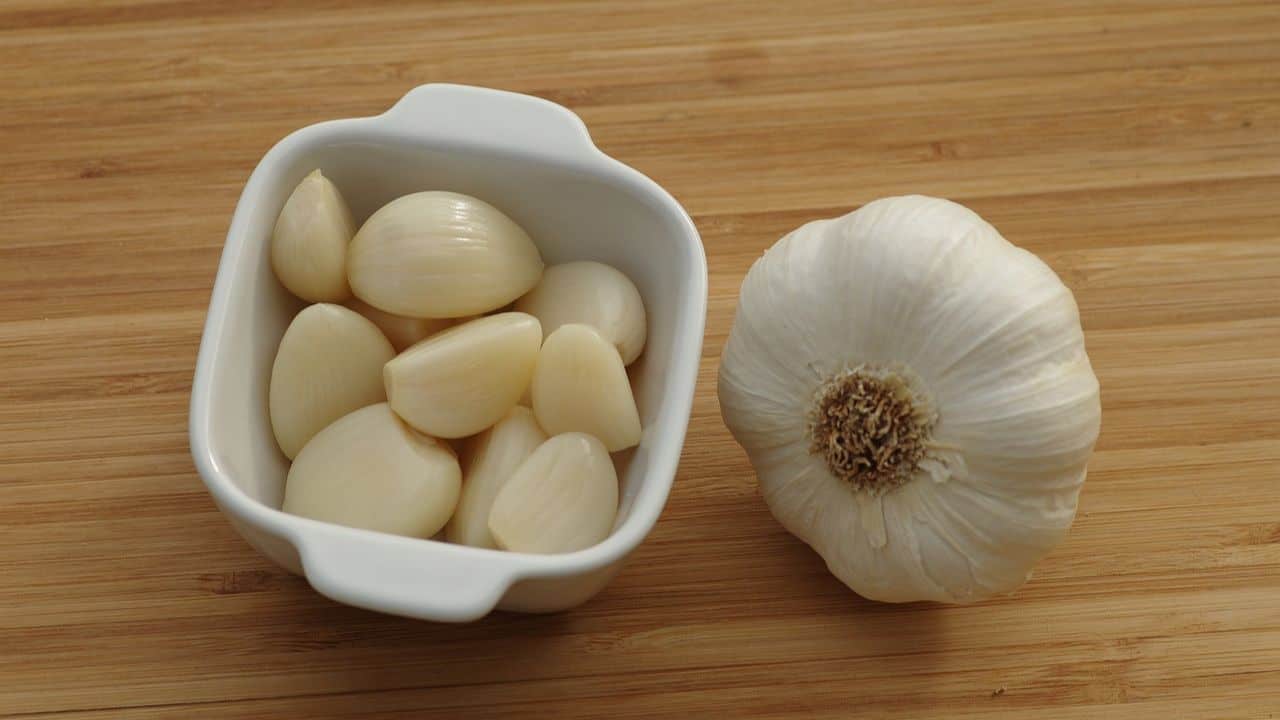
    A small white dish with peeled garlic cloves next to a whole bulb of garlic on a wooden surface.
    Photo credit: Pixabay.

    Refrigeration encourages garlic to sprout, which diminishes its flavor and alters its texture. The cool environment also makes garlic soft and rubbery. Store it in a dry, ventilated area at room temperature.

    Coffee
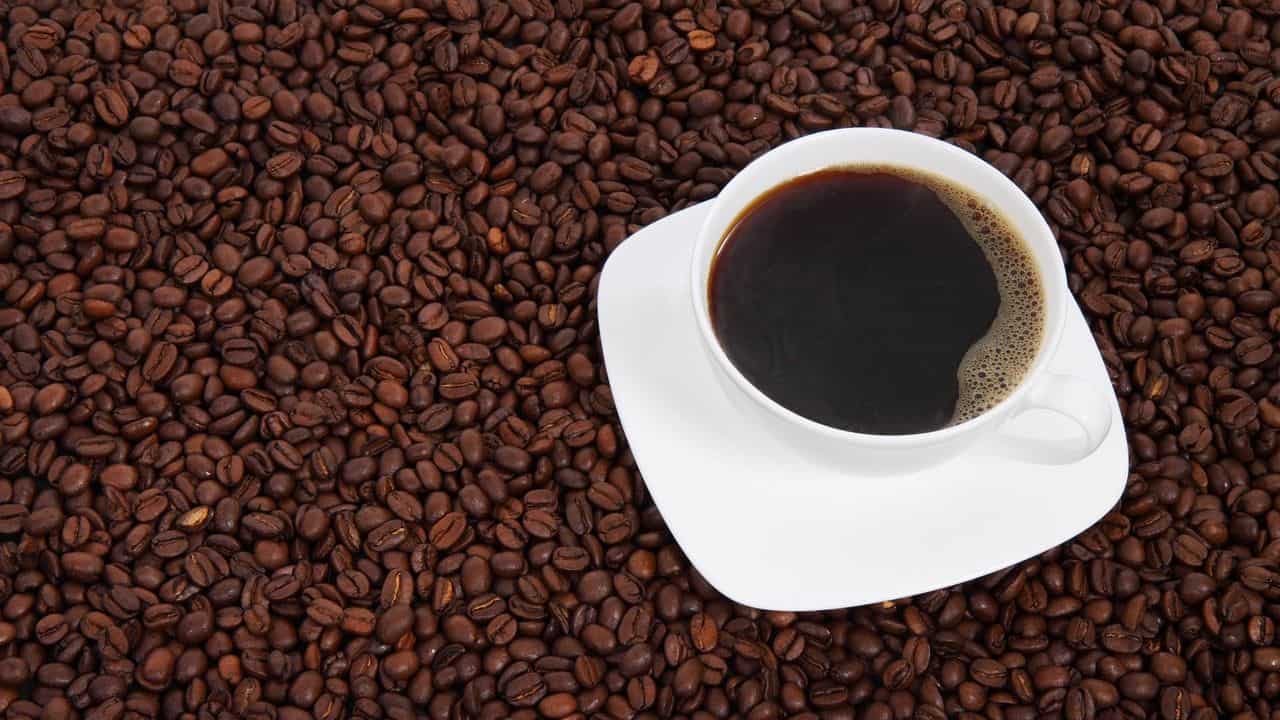
    A cup of black coffee on a saucer sits atop a large pile of roasted coffee beans.
    Photo credit: Pixabay.

    Condensation from refrigeration degrades the flavor and aroma of coffee. The moisture can also lead to clumping and spoilage. Store coffee in an airtight container at room temperature.

    Onions
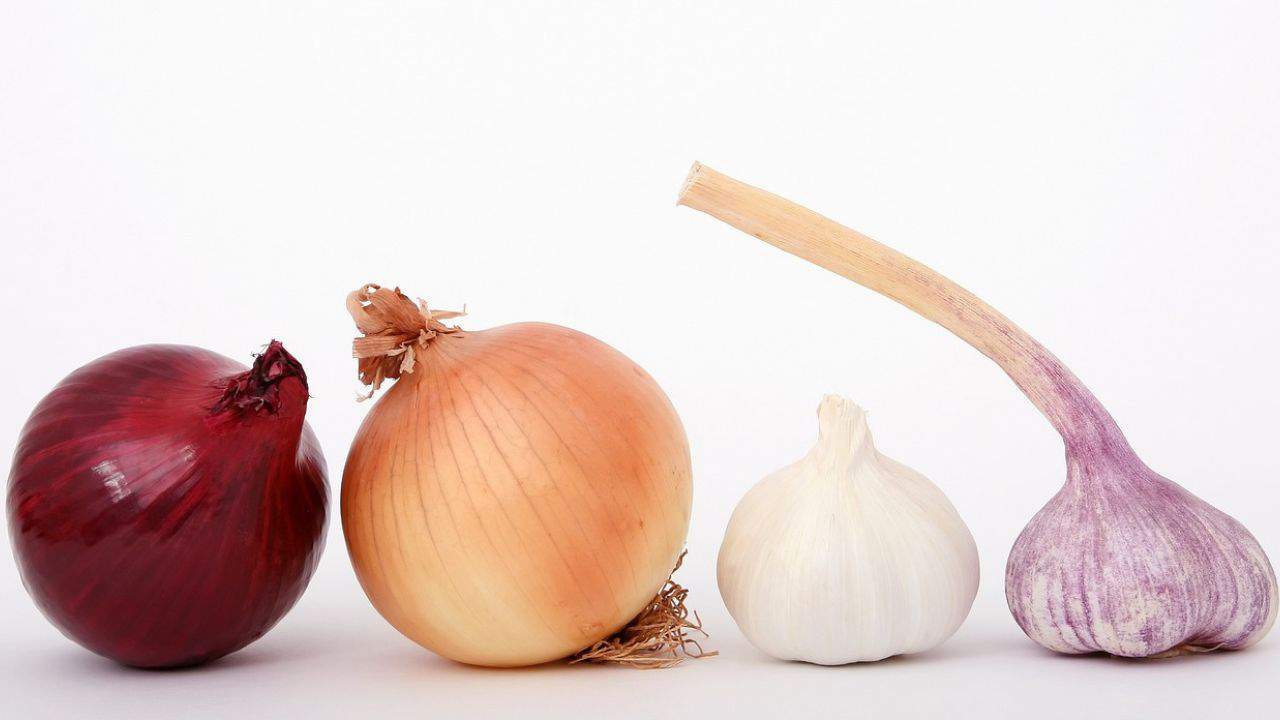
    Red onion, yellow onion, garlic bulb, and purple garlic bulb arranged in a row on a white background.
    Photo credit: Pixabay.

    Moisture in the fridge can cause onions to become moldy and soft. The cold environment also reduces their natural crispness. Keep them in a ventilated, dry area away from direct sunlight.

    Olive Oil
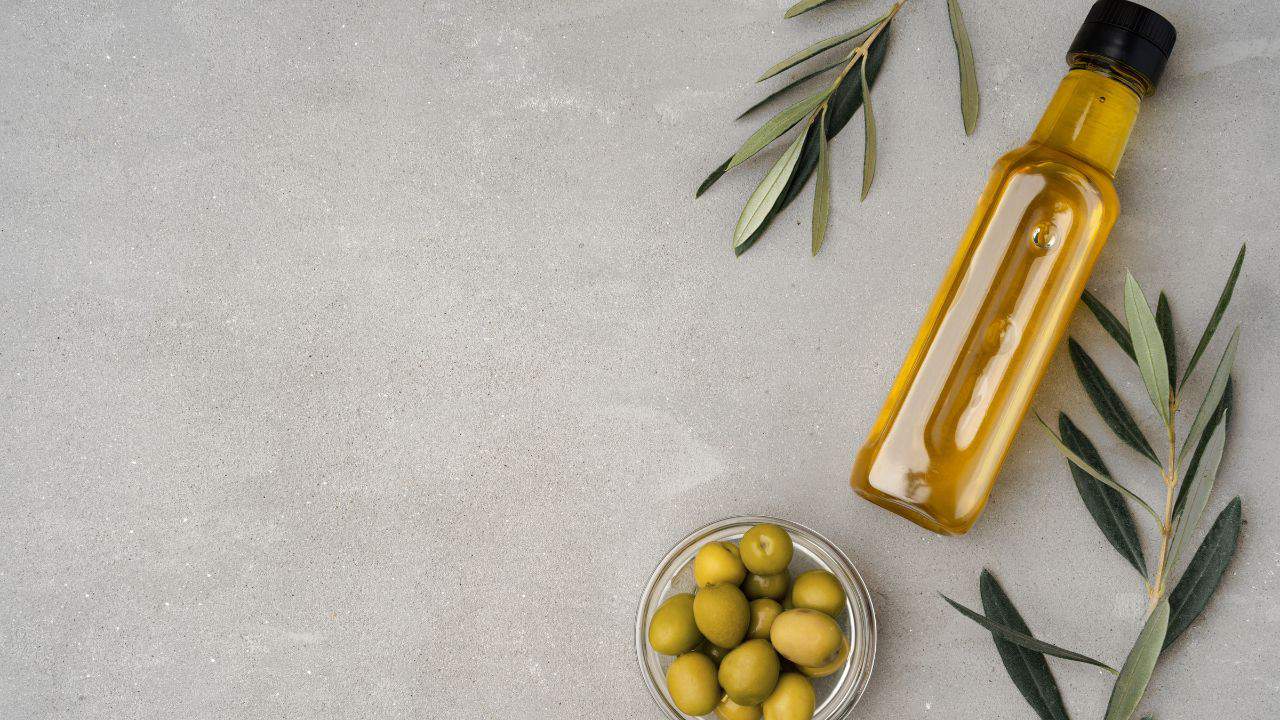
    A bottle of olive oil, a small bowl of green olives, and olive branches arranged on a gray surface.
    Photo credit: Pixabay.

    Refrigeration causes olive oil to solidify and develop a cloudy appearance. This makes it difficult to use and affects its flavor. Store olive oil in a cool, dark place for best results.

    Tomatoes
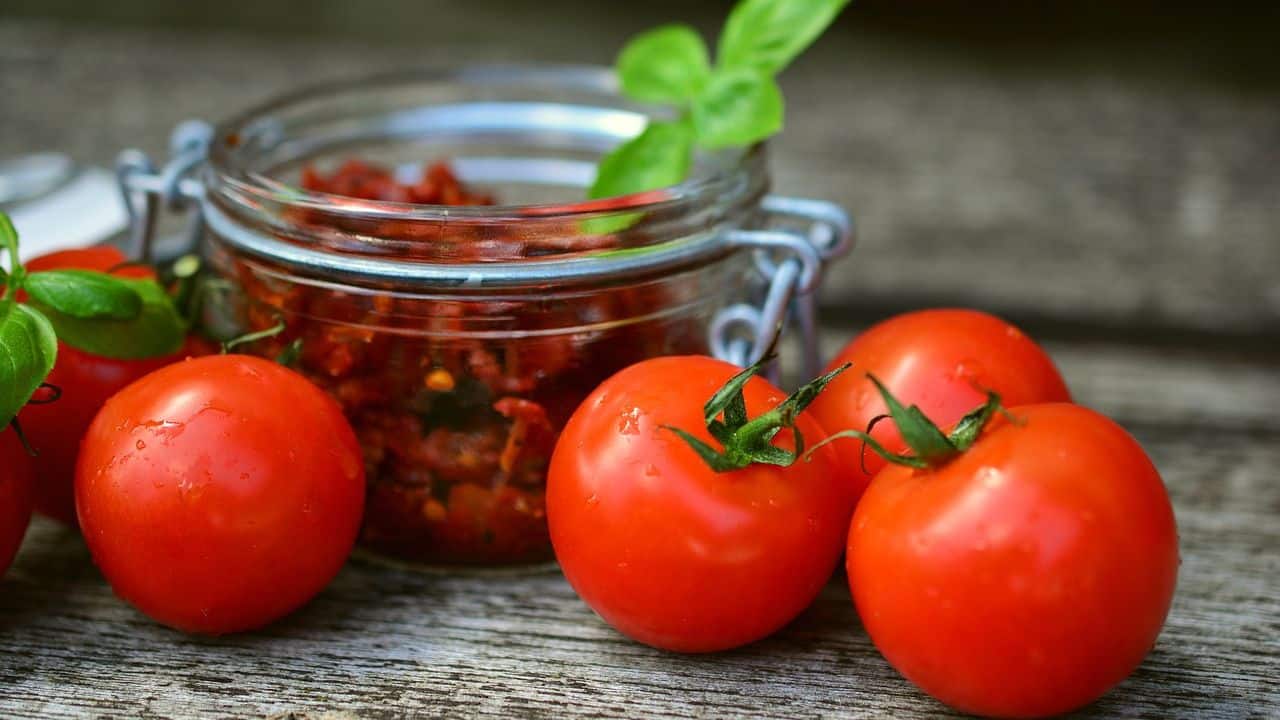
    Jar of sun-dried tomatoes with fresh tomatoes and basil on a wooden surface.
    Photo credit: Pixabay.

    Refrigerating tomatoes dulls their flavor and makes their texture mealy. The cold inhibits the natural ripening process, which is essential for their taste. To preserve their quality, store tomatoes at room temperature.

    About Kristen Wood

    Kristen Wood is a writer, photographer, world traveler and cookbook author. Her work has been featured in various publications both online and in print, including Elle, Forbes, NBC, Chicago Sun-Times, Martha Stewart, Food Drink Life, Arizona Highways Magazine, New York Daily News, and more. She is also a syndicated writer for The Associated Press.

    Comments

    No Comments

    Leave a Reply Cancel reply

    Your email address will not be published. Required fields are marked *

    Recipe Rating


    Follow Us!

    • Pinterest

    Footer

    ↑ back to top

    About

    • About
    • Privacy Policy
    • Accessibility Policy

    Newsletter

    • Sign Up! for emails and updates

    Contact

    • Contact

    As an Amazon Associate I earn from qualifying purchases.

    Copyright © 2026 Foodventures Abroad