
Many old-style dishes hold a special place in the hearts of people who grew up with them. These meals were made with care, often passed down through generations, and brought families together around the table. The simple methods used gave these dishes a unique taste that many modern meals cannot match.
Today, fast-paced life and new trends in cooking have caused many of these treasures to be left behind. New tools and quick recipes often take their place, making it easy to forget the slow, meaningful process of preparing them. Reviving these dishes could bring back rich flavors and a connection to traditions that feel lost.
Aspic
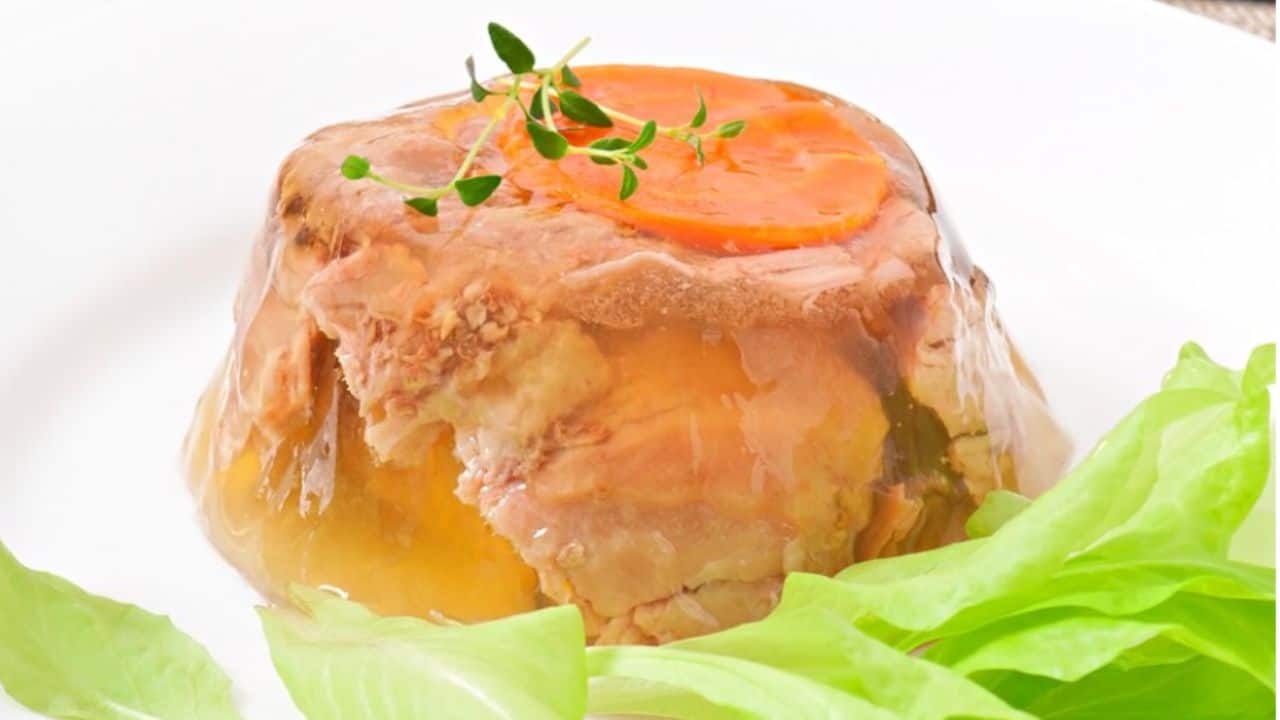
Once the star of fancy dinner tables, aspic dazzled with its shimmering layers of meat stock, vegetables, and sometimes eggs or meats. Its elegant presentation in intricate molds symbolized a time when food was art. Today, its jiggly texture and retro appeal have fallen out of favor.
Beef Wellington
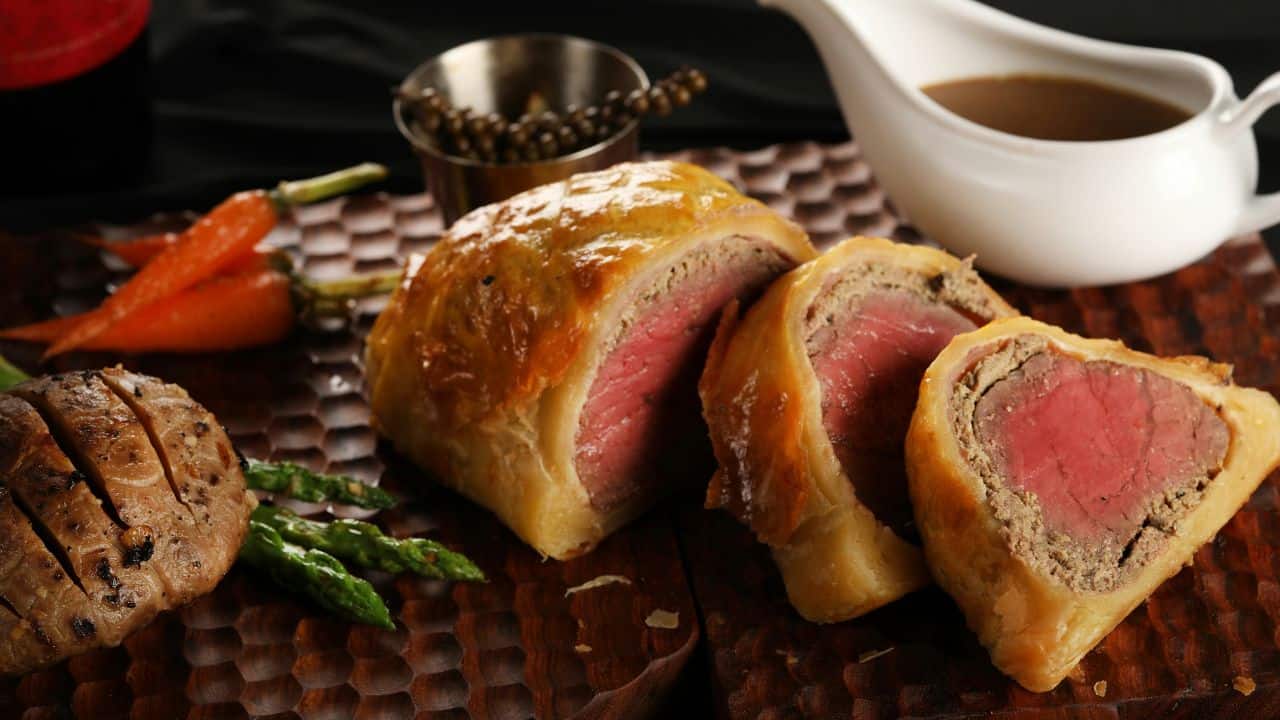
Few dishes say “luxury” quite like Beef Wellington, a tenderloin encased in pâté, duxelles, and golden puff pastry. Once a showstopper for special occasions, its complexity has relegated it to fine dining rather than home kitchens. Modern cooks rarely tackle this labor of love.
Rumbledethumps
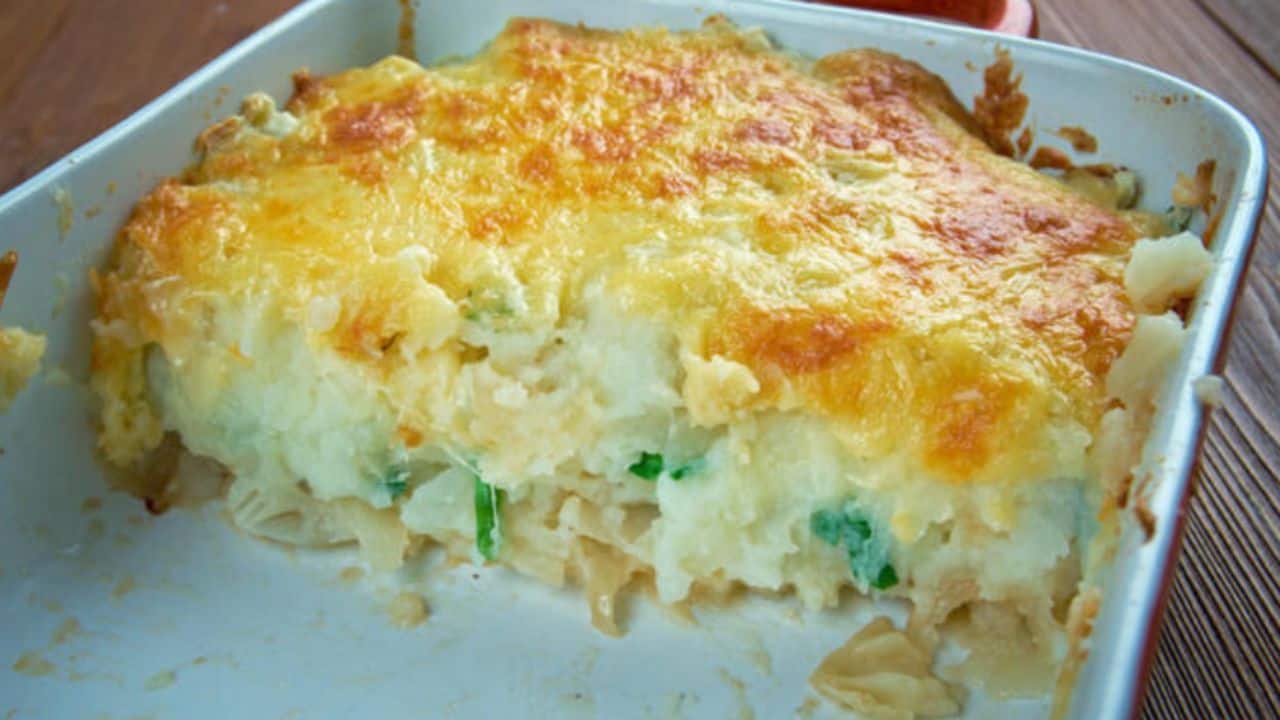
This humble Scottish creation of mashed potatoes, cabbage, and onions baked with cheese was born from thrift and resourcefulness. It transformed simple leftovers into a comforting, golden dish. Though hearty and satisfying, it’s now largely overshadowed by flashier meals.
Indian Pudding
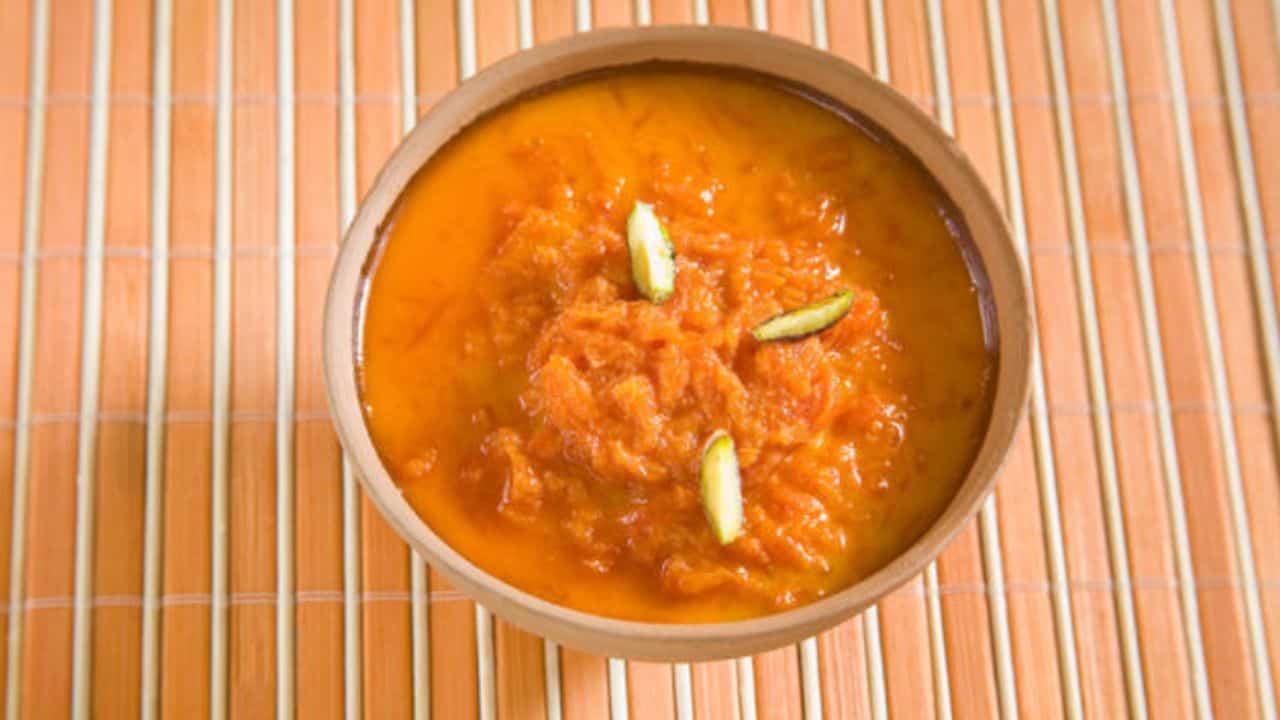
Warm and caramelized, Indian Pudding was the New England dessert that made humble ingredients—cornmeal, molasses, and milk—shine. A slow-cooked labor of love, it brought rich flavor to early American tables. Yet, its rustic charm has been left behind in favor of quicker sweets.
Boiled Dinner
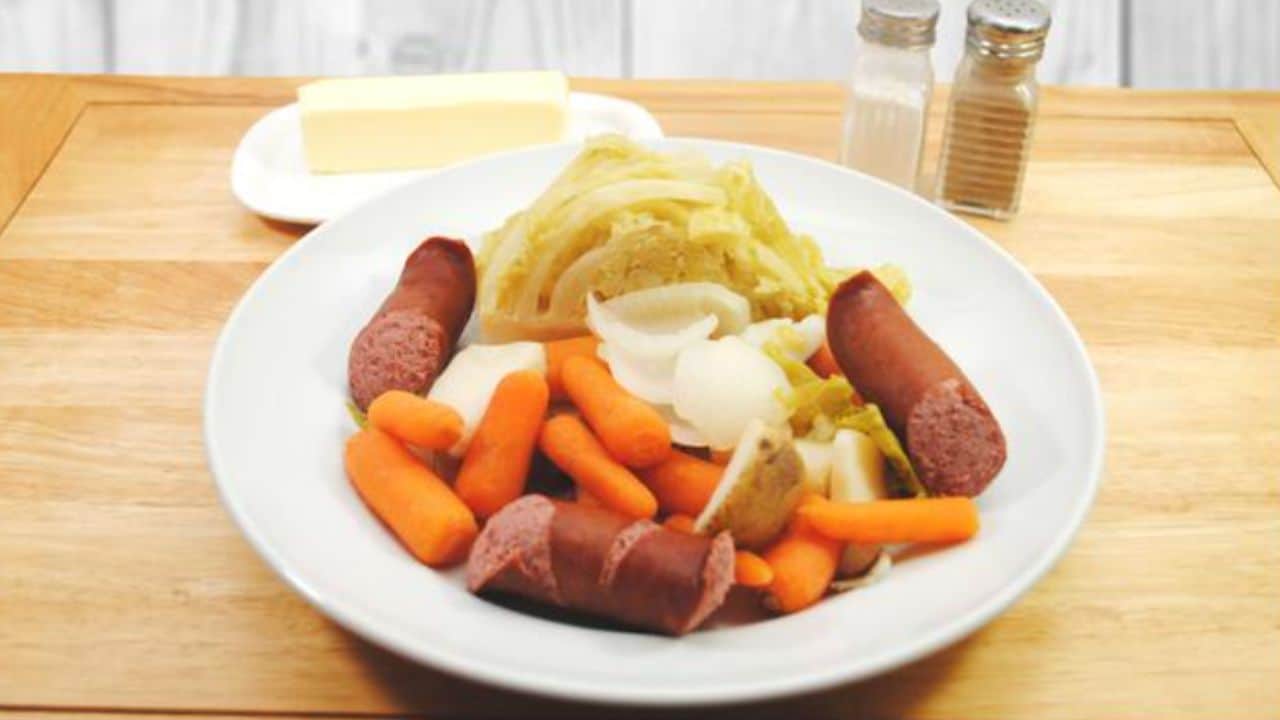
A staple of Irish-American households, boiled dinner brought corned beef, cabbage, and root vegetables together in one hearty pot. It was a dish of simplicity and sustenance, perfect for feeding families on a budget. Today, its presence lingers mostly in cultural celebrations.
Chicken à la King
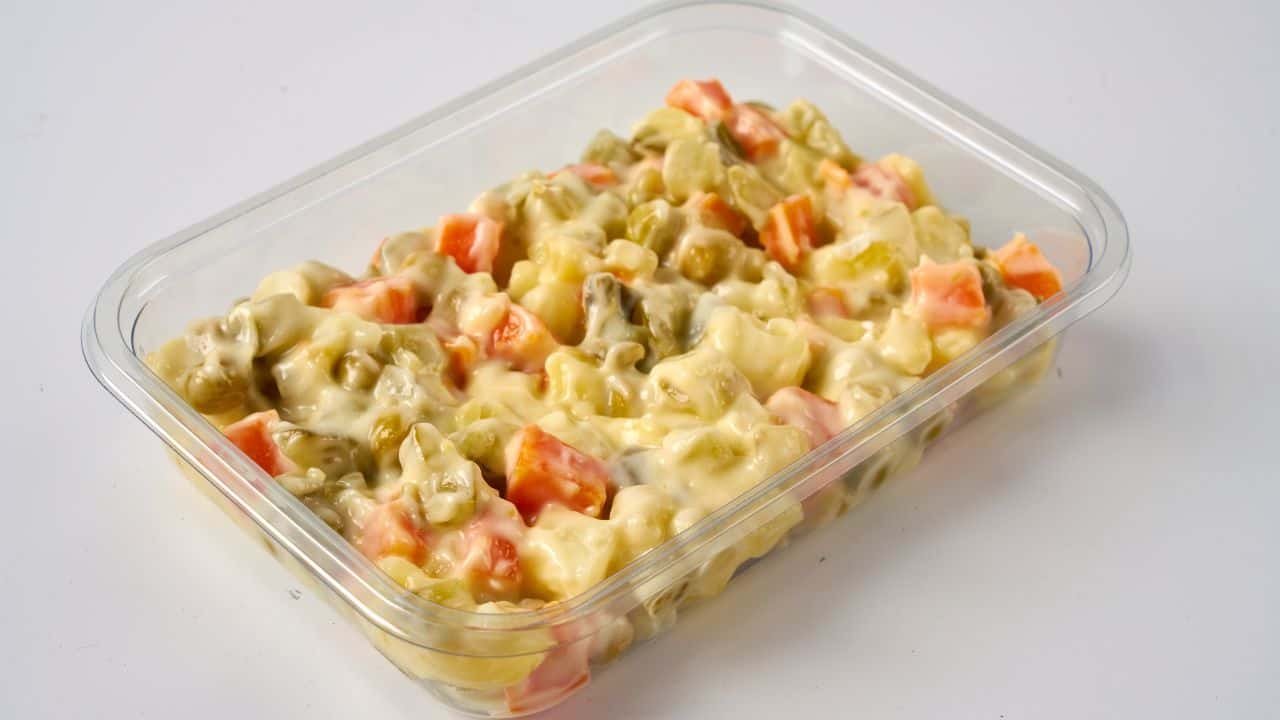
This creamy, comforting dish of diced chicken with mushrooms and peppers served over toast, rice, or pasta once reigned as a mid-century favorite. It was a symbol of home-cooked sophistication at dinner parties and luncheons. Now, it’s often dismissed as old-fashioned.
Salt Cod Fritters
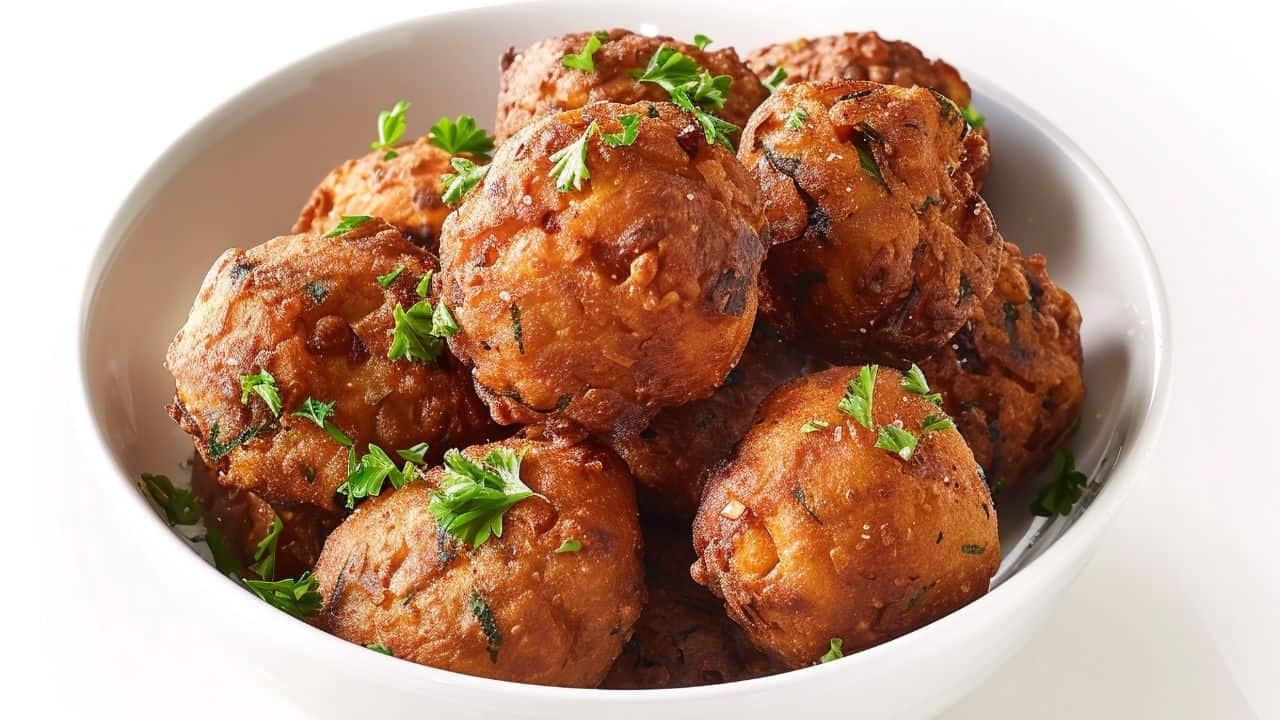
In coastal regions, salt cod fritters turned preserved fish into crispy, golden bites of flavor. Mixed with potatoes and fried to perfection, they showcased the ingenuity of food preservation. Though undeniably delicious, they’ve become rarer as fresh ingredients dominate kitchens.
Liver and Onions
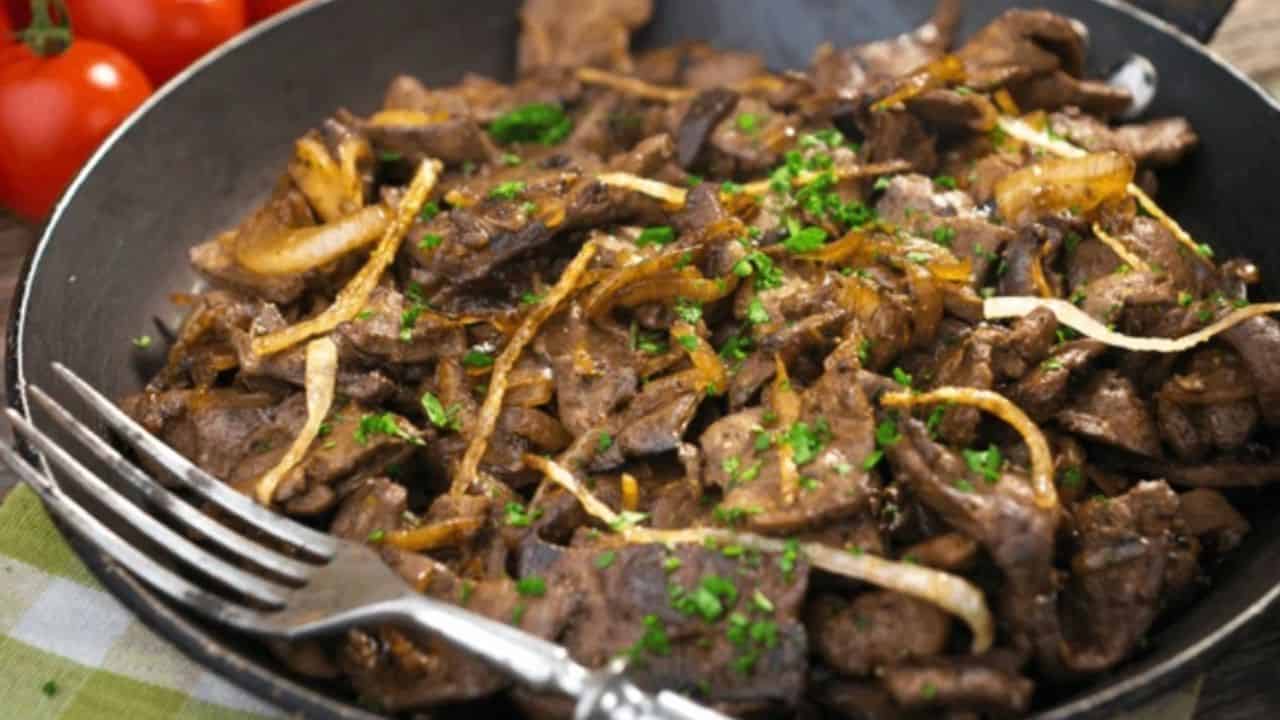
Generations relied on liver and onions for its affordability and nutrient-packed goodness. The rich, earthy flavors were a staple in many households. Today, shifting tastes and a squeamishness about organ meats have rendered this dish nearly extinct.
Shoofly Pie
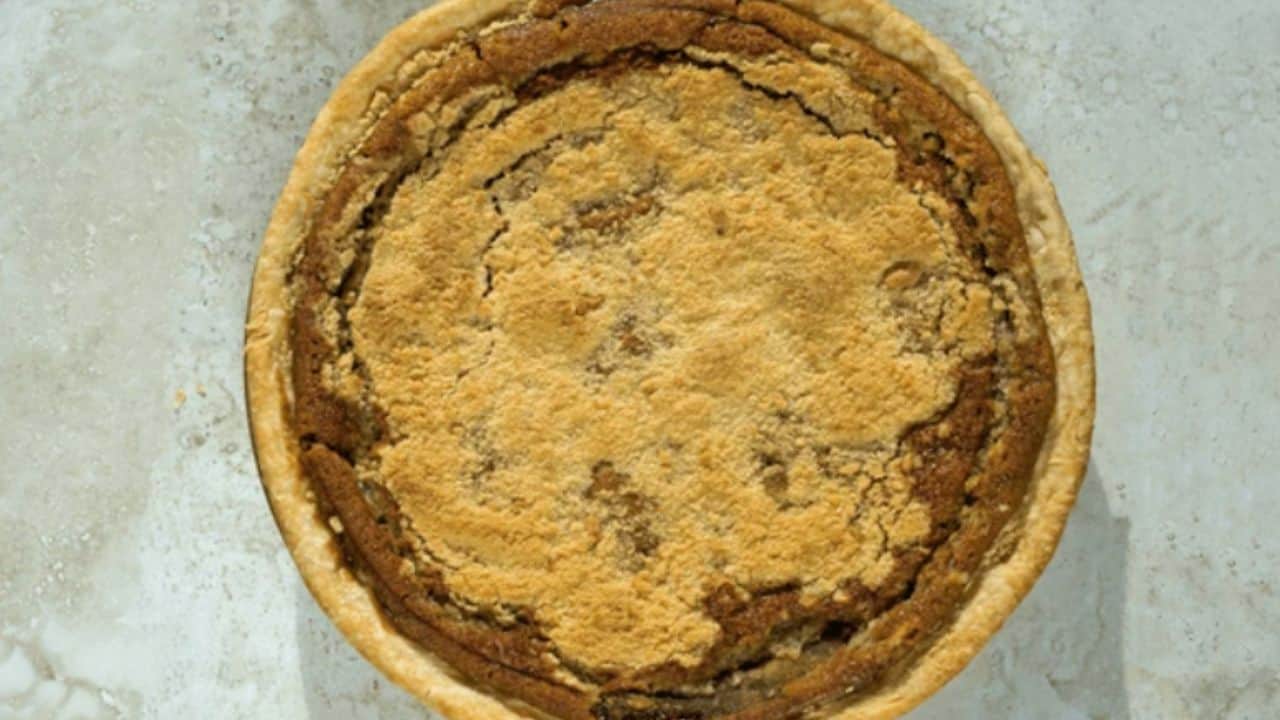
Molasses-rich and topped with a crumbly layer, shoofly pie was once a sweet fixture of Pennsylvania Dutch kitchens. It represented the resourceful use of pantry staples in creating unforgettable desserts. Modern tastes, however, have left its sticky-sweet charm behind.
Johnnycakes

Early settlers and Native Americans relied on johnnycakes, hearty cornmeal flatbreads, as a simple and versatile staple. They were portable, filling, and easy to make, perfect for life on the frontier. Yet, these once-essential flatbreads are now a nostalgic relic.
Blancmange
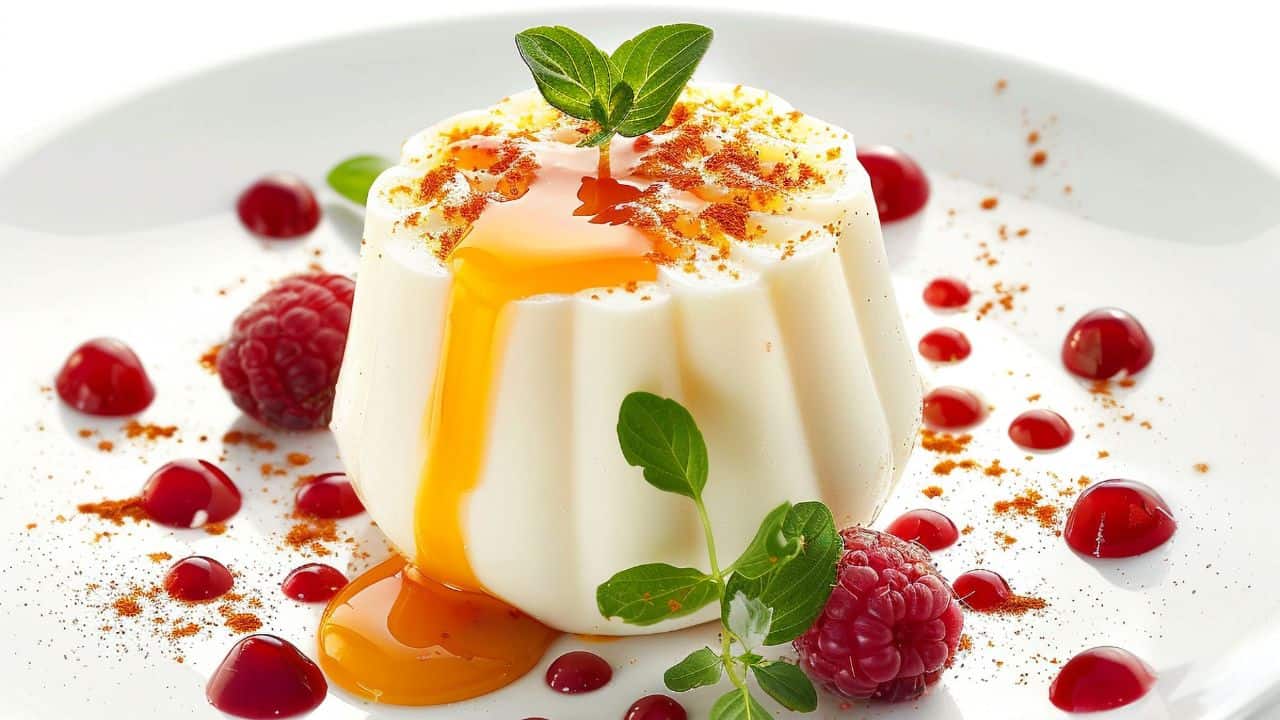
Delicate and refined, blancmange was a dessert that turned milk or cream, thickened with gelatin or cornstarch, into a silky, almond-scented treat. It graced elegant tables in eras past, embodying sophistication. In modern kitchens, its understated simplicity no longer captures imaginations.

Comments
No Comments