
Sometimes, everyday kitchen routines can lead to spending more money than expected without noticing. Hidden among these are 13 common habits that drive up costs and increase waste. Spotting these habits and making small changes can add up to big savings over time.
Leaving the Fridge Door Open Too Long
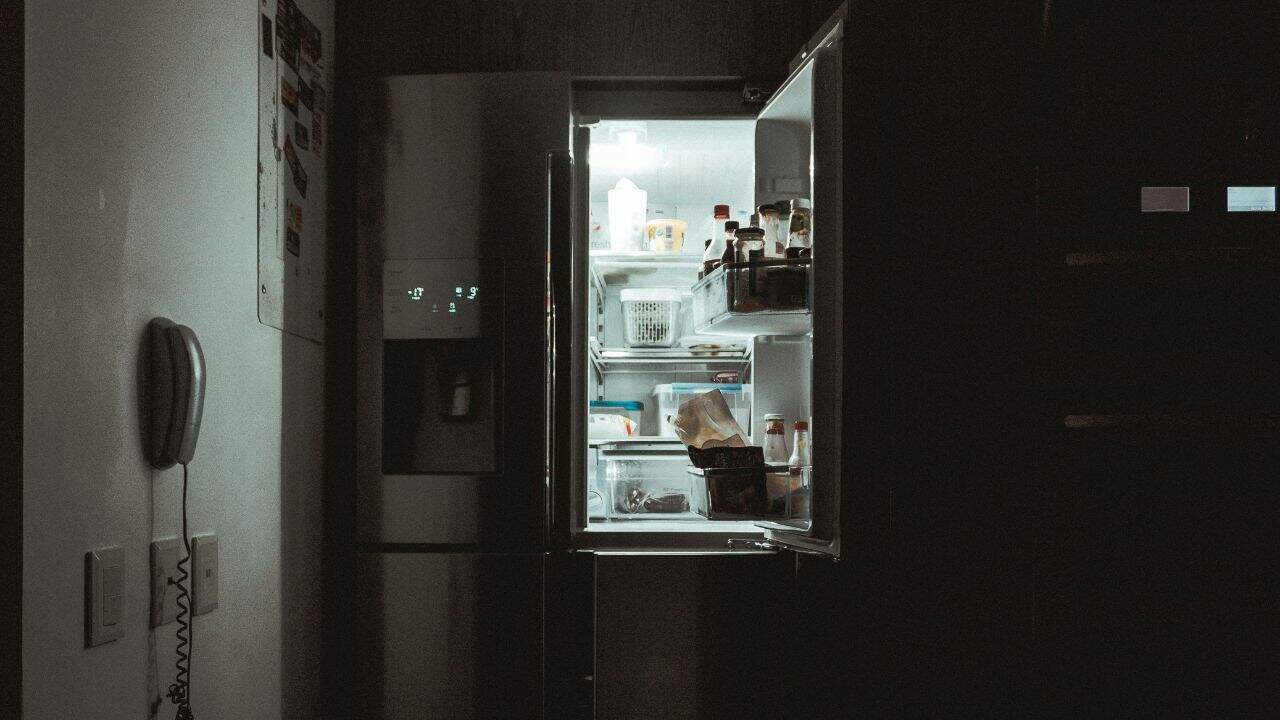
You might not think a few extra seconds with the fridge door open matters, but it forces the motor to work harder every single time. That extra energy use slowly drives up your electricity bill. Cold air escapes quickly and the fridge has to replace it, over and over. Even small changes like deciding what you need before opening the door can cut these costs.
Letting Produce Sit Out
Fresh produce that should be in the fridge will spoil much faster if left out. Once it’s gone bad, you’re paying to replace it. A quick check of storage recommendations can make fruit and vegetables last longer. That means fewer grocery runs and less waste.
Cooking With Too Much Heat
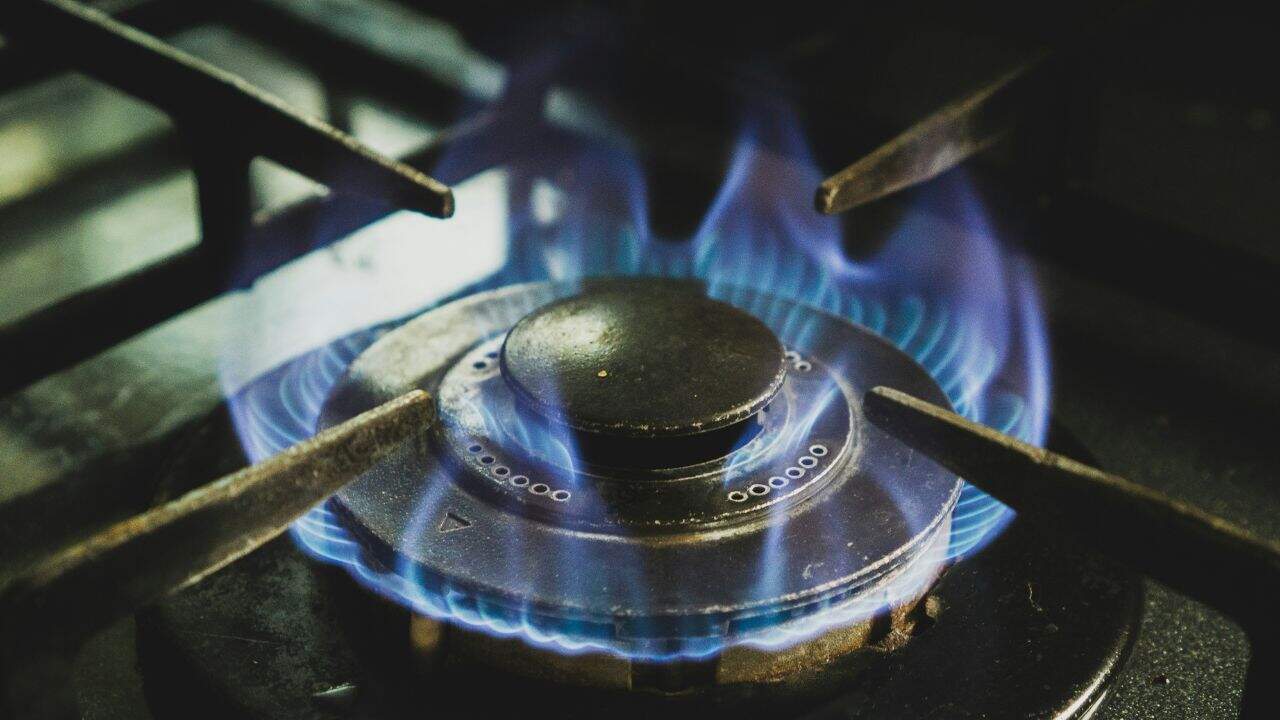
Turning the burner up higher than necessary doesn’t make most food cook faster, it just wastes energy. It can also ruin the dish and cause more cleanup. Lower heat usually works just as well and costs less in the long run. Adjusting the temperature is one of the easiest savings you can make.
Using the Oven for Small Jobs
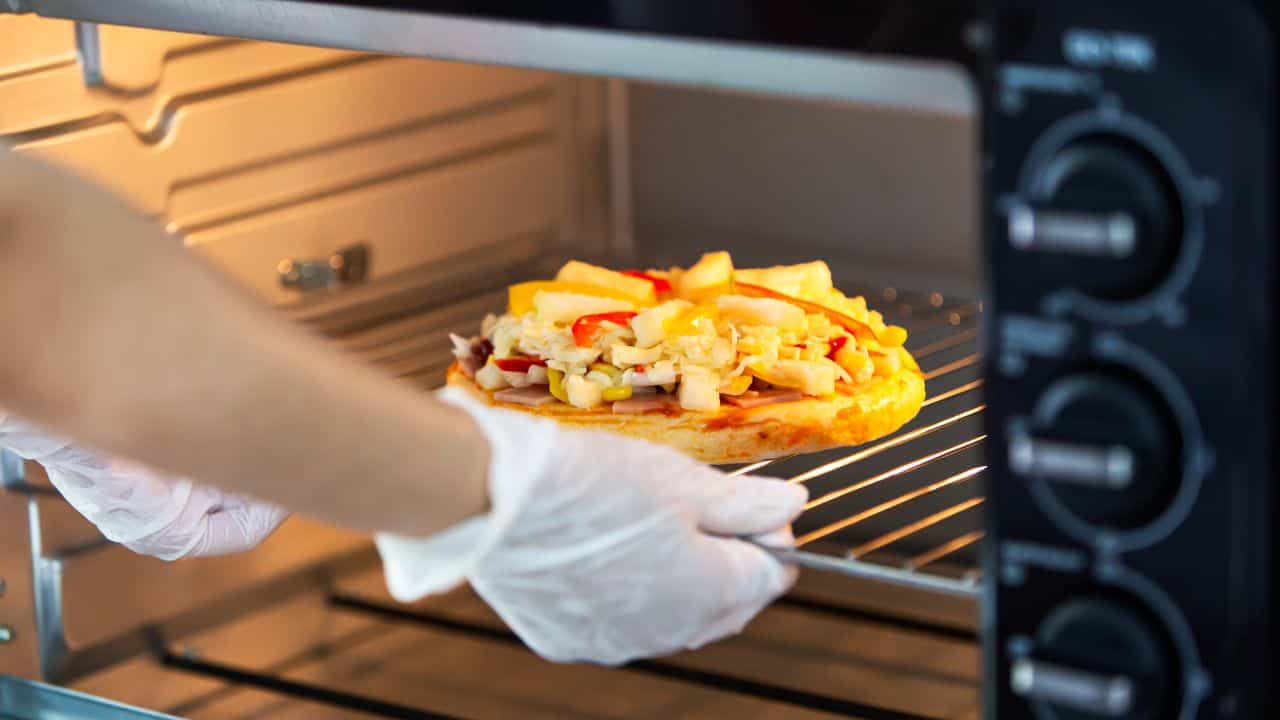
Heating a big oven for a single sandwich or a few cookies isn’t just overkill, it’s expensive. Smaller appliances like a toaster oven or microwave use much less energy. Over time, that difference really shows up on your bill. Matching the appliance size to the job is a simple way to save.
Not Regularly Checking Pantry Items
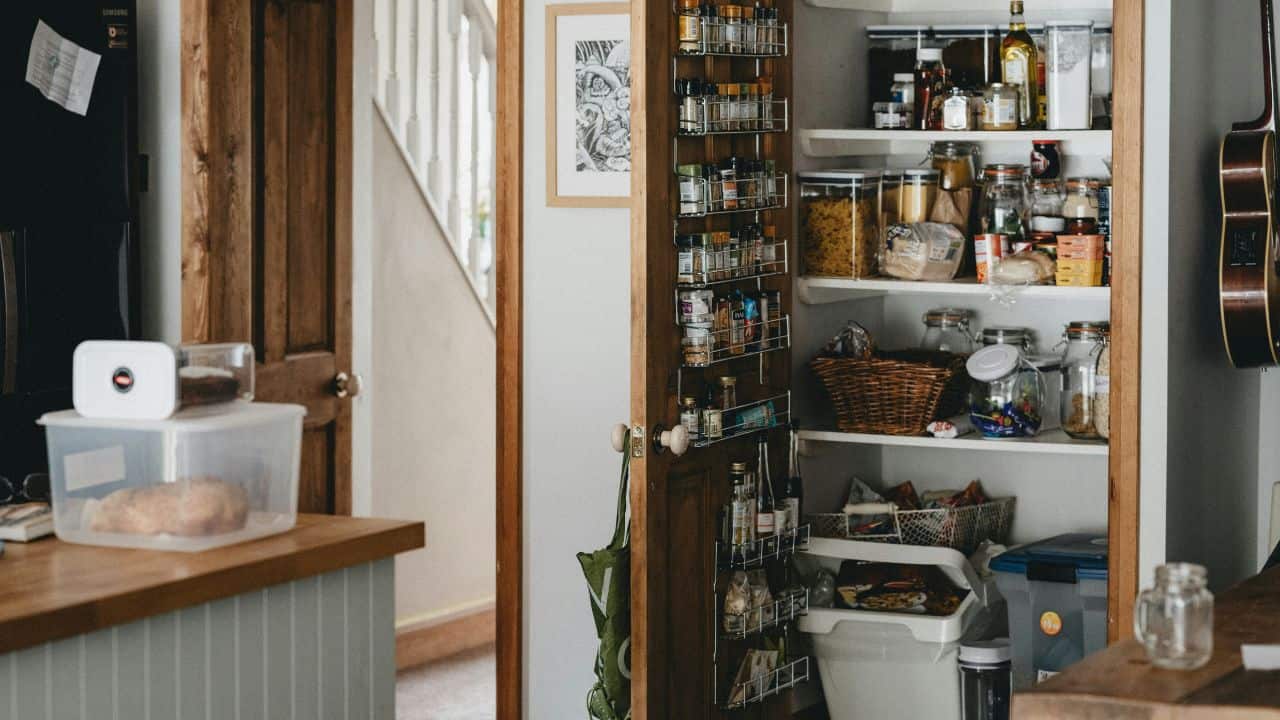
If you don’t know what’s hiding in the back of your pantry, you’re likely to buy duplicates. Expired food is another way money disappears without you noticing. A quick look before shopping can stop this from happening. It’s one of those small steps that saves more than you expect.
Cooking Too Much Food

It’s easy to overestimate how much people will eat, but those extra portions often end up in the trash. Throwing out food is basically throwing away money you already spent. You also use more gas or electricity to cook bigger batches. Making realistic amounts keeps your wallet and your fridge happy.
Keeping Appliances Plugged In 24/7
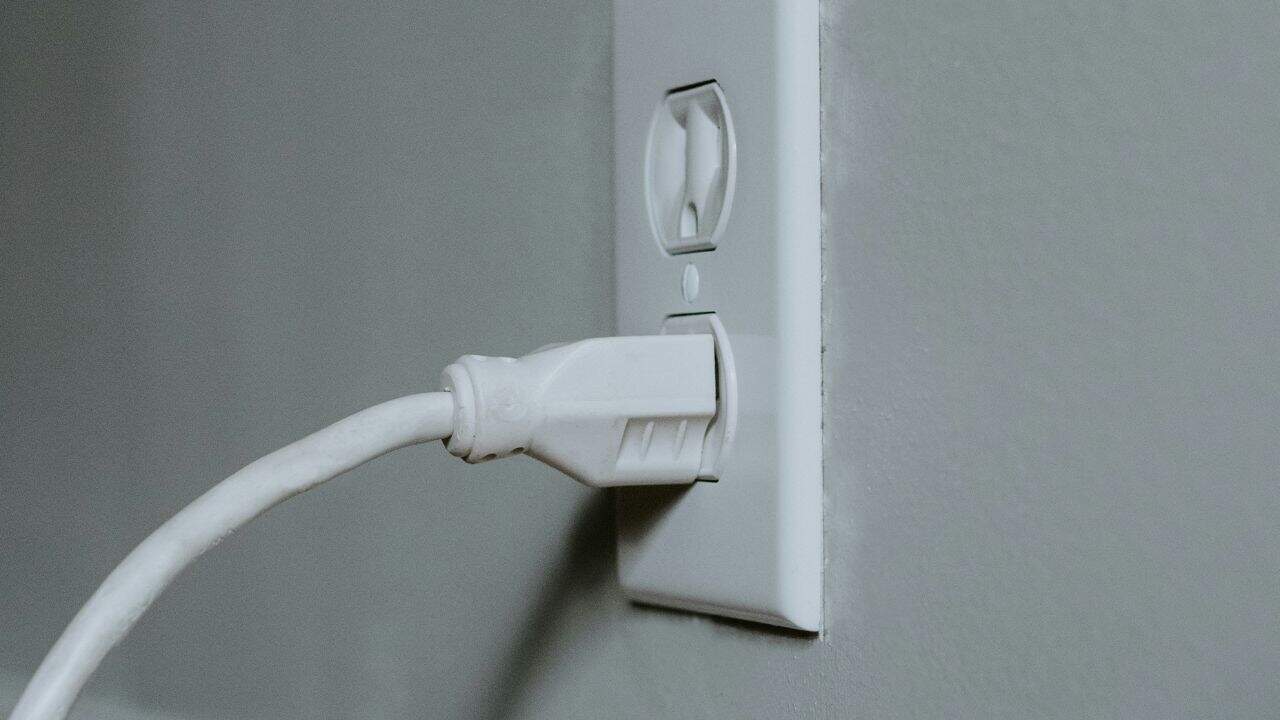
Some kitchen gadgets keep drawing power even when they’re switched off. This “phantom” electricity use can account for a surprising part of your bill. Coffee makers, blenders, and even microwaves with digital clocks can be the culprits. Unplugging them when not in use keeps that money in your pocket.
Overstuffing the Fridge
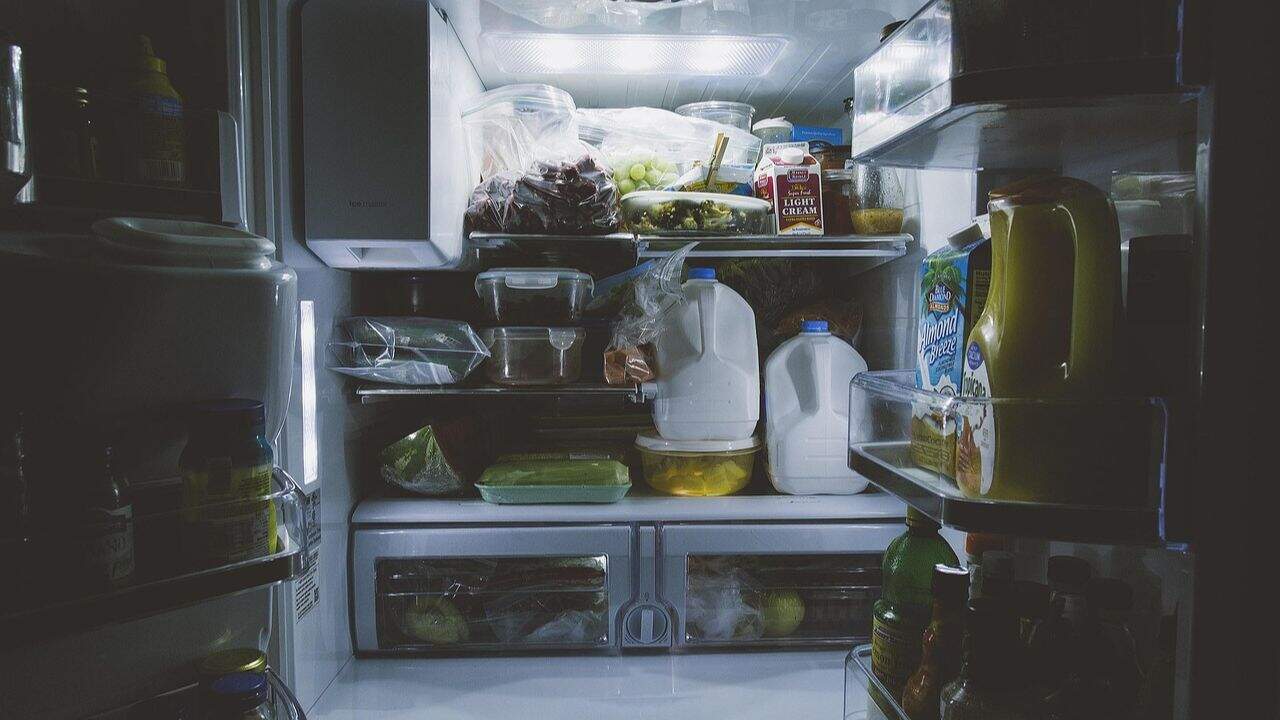
Ever cram so much into your fridge that you have to shove the door closed? That habit blocks airflow, so some foods spoil faster while others freeze. The fridge also burns more energy trying to keep an even temperature. Keeping it less packed actually saves money and keeps food fresher longer.
Letting Tap Run While Washing Dishes
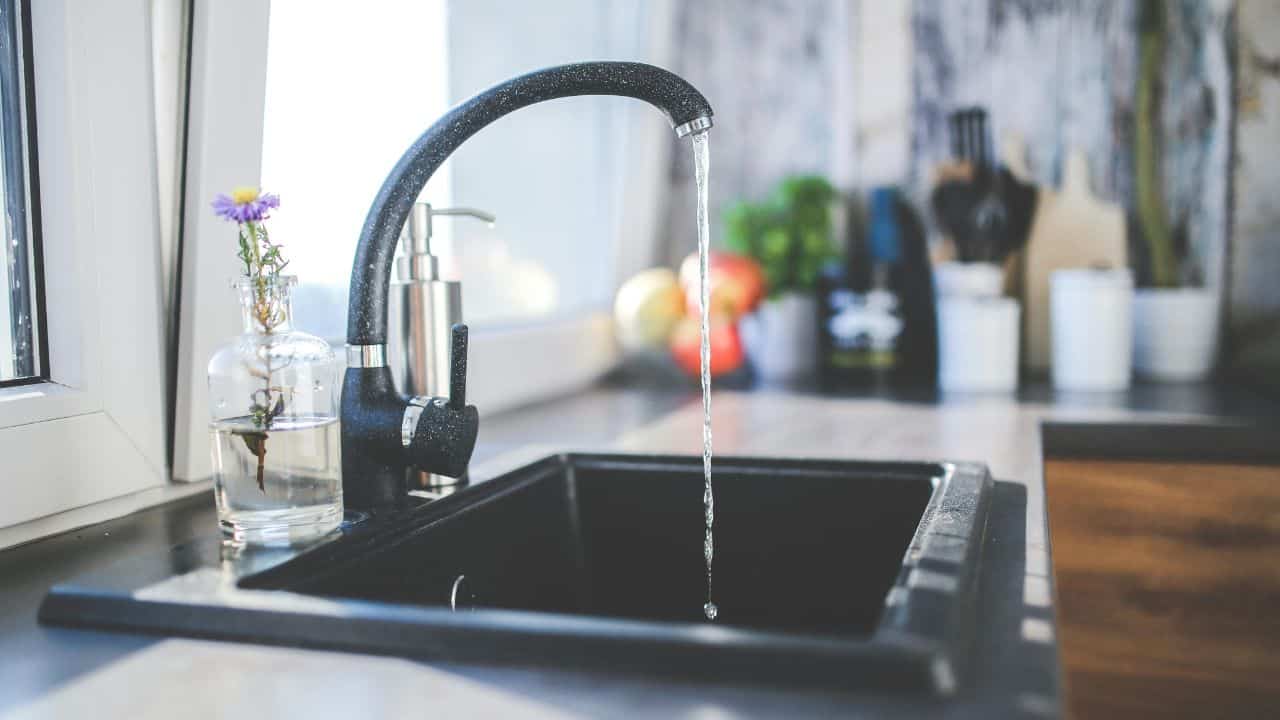
If you leave the faucet running while scrubbing, you’re paying for water you’re not even using at the moment. Hot water costs even more because you’re paying to heat it too. This habit quietly inflates your utility bill every month. Turning it off between rinses adds up to real savings.
Not Meal Planning

Without a plan, it’s easy to overbuy groceries or forget about what’s already in the kitchen. That leads to waste and more trips to the store. Meal planning makes sure you use what you have and spend less overall. Even a rough outline for the week can make a difference.
Using Excessive Water While Cooking
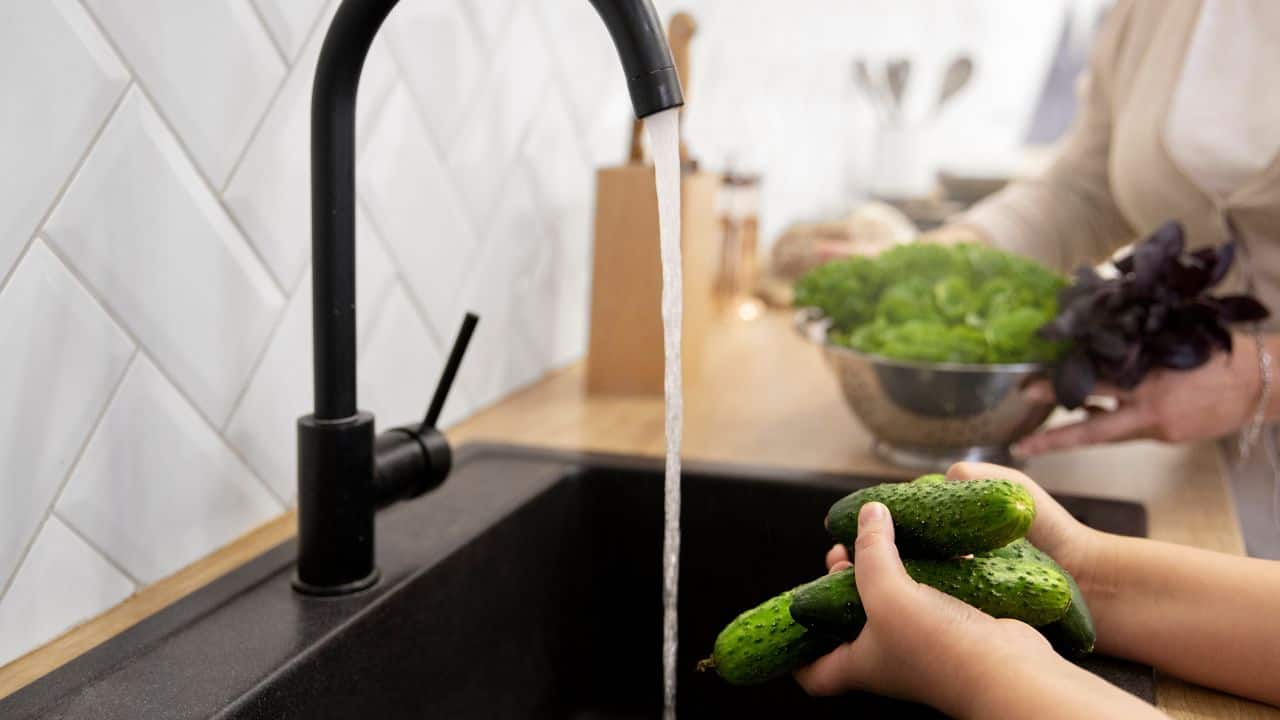
Filling a pot to the brim for pasta or vegetables means you’re heating more water than you need. That extra heating time costs energy and money. Using the right amount of water makes cooking faster and cheaper. It’s a small habit that has a long-term payoff.
Overbuying Specialty Ingredients
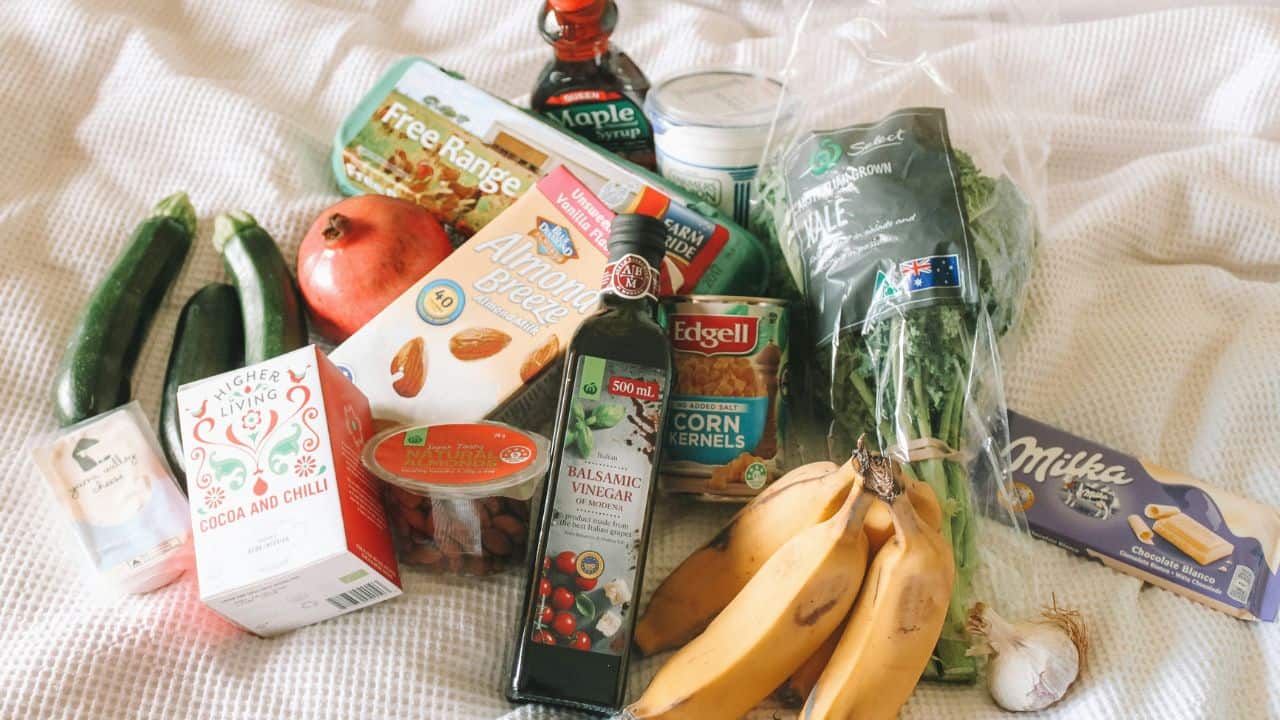
Maybe you bought a spice for one recipe and never touched it again. Those little jars can be pricey, and when they expire, that’s money wasted. Planning meals that reuse the same ingredients helps prevent this. It’s all about making sure what you buy actually gets used.
Not Storing Food Properly
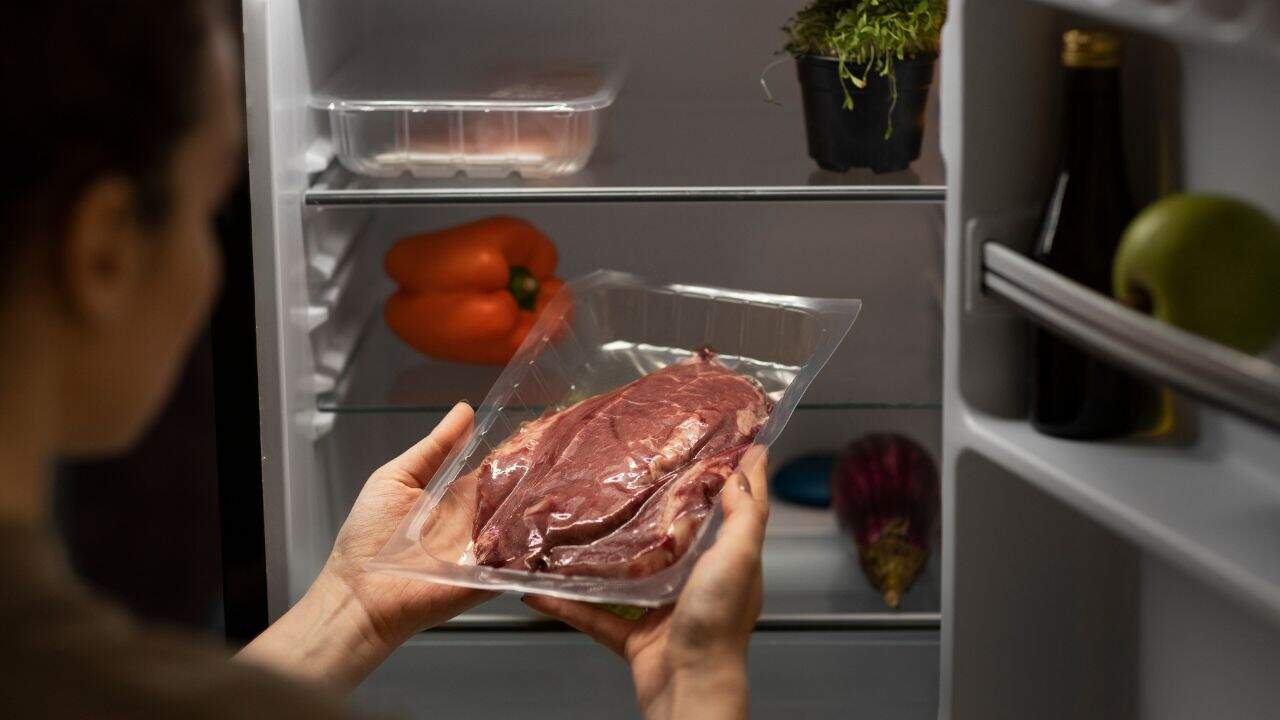
Poor storage habits shorten the life of your groceries, whether that’s leaving bread unsealed or not using airtight containers for dry goods. When food spoils early, you have to buy it again. Proper containers and correct storage spots help keep everything fresh longer. This small investment saves money over time.

Comments
No Comments