
Some countries make vegetarian food feel easy and natural. Markets, streets, and homes all offer plant-based meals that come from tradition, not trends. These 11 countries show how flavor, variety, and balance can come together without using meat.
Every dish feels connected to the land and the way people eat every day. There is no need for extra steps when the basics are already strong. That’s what makes these places stand out for doing vegetarian food right.
Portugal

Farmers markets and small kitchens offer plenty for those who skip meat. In Portugal, ingredients like greens, beans, rice, and potatoes play a bigger role than expected and bring meals together with ease. Many classic dishes are naturally vegetarian without needing change. It’s less about trend and more about tradition.
Morocco
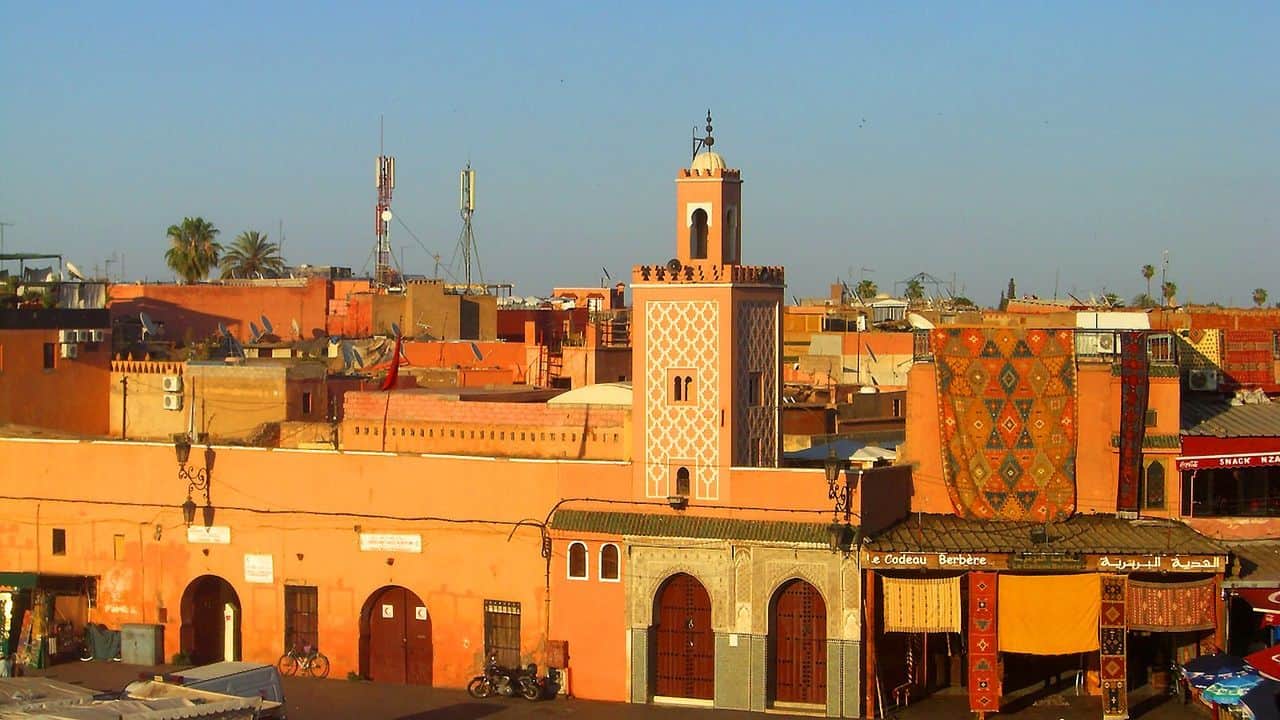
Gatherings often center around food that brings people together without needing meat. Morocco does this well by making vegetables, legumes, couscous, and bread the main part of shared meals. These are cooked slowly and shared widely. It’s steady, social, and full of care.
Jamaica

Watch how meals are built around what grows nearby. Jamaica brings out the best in fresh produce like yams, callaloo, breadfruit, and beans, turning everyday food into something complete. Meals are filling without depending on meat. It all fits into the flow of daily living and local rhythm.
Nepal

Food here follows what grows in the hills and valleys. In Nepal, lentils, vegetables, rice, and pickled sides are used in meals that are common, steady, and built around what people have always known. The mix creates complete plates without needing anything else. It feels full without reaching for more.
Thailand

Busy streets and home kitchens offer quick bites full of flavor. Thailand leans on tofu, fresh greens, rice noodles, and herbs in ways that feel bold but familiar. These ingredients are used in meals that can be fast or slow, depending on the day. It all feels like part of the rhythm, not something made to stand out.
Israel
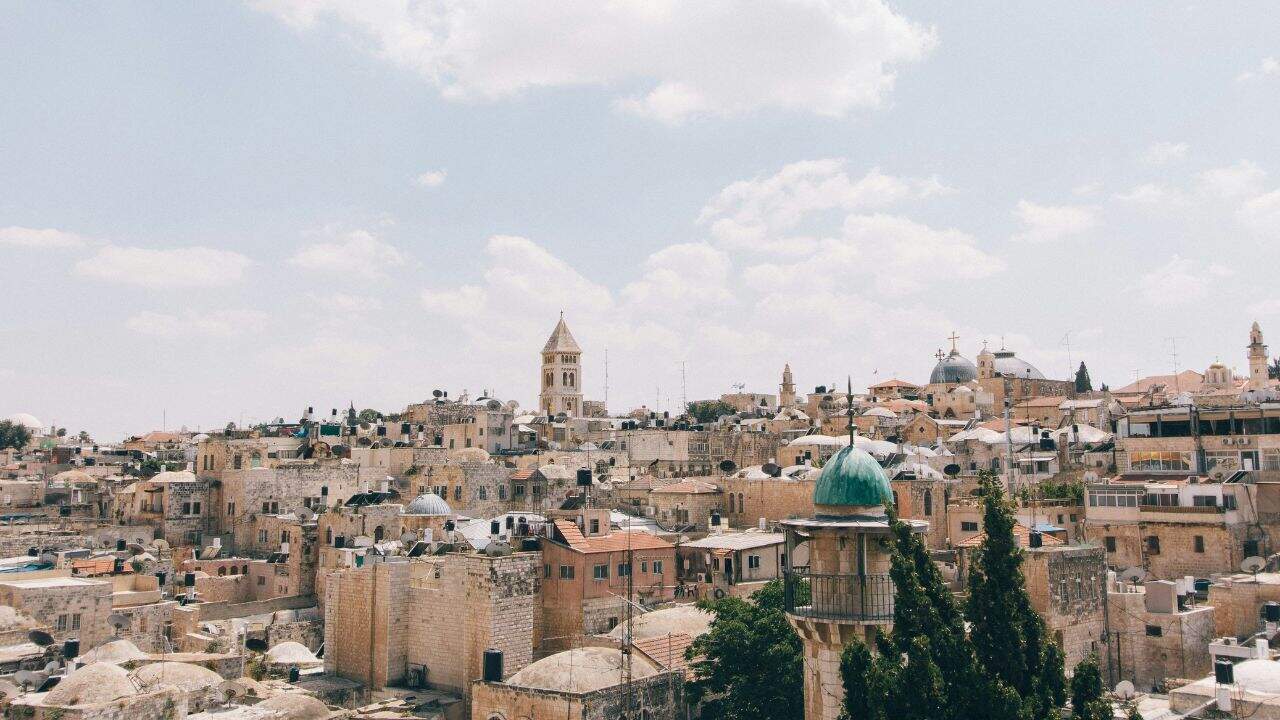
Food comes from the land and follows old habits. In Israel, chickpeas, lentils, eggplants, and fresh salads are part of how people eat every day, not just once in a while. These staples are used in ways that feel fresh but rooted. That makes everything feel real and routine.
Germany

Daily eating has shifted quietly over time. In Germany, potatoes, cabbage, lentils, and grains now show up more often in meals that skip animal products but stay just as filling. Even traditional dishes are being reworked in simple ways. It feels modern without losing its roots.
Taiwan

Old customs blend with daily eating in a way that keeps food grounded. In Taiwan, tofu, leafy greens, mushrooms, and rice noodles are common in meals that are already vegetarian without trying to be. These foods are prepared simply and served everywhere. That quiet normalcy is what makes it stand out.
Iran

Herbs, grains, and vegetables fill the table with ease. In Iran, dishes made with lentils, eggplant, chickpeas, and rice skip the meat without losing depth or meaning. These ingredients carry strong flavors shaped by time and place. That comfort with plant-based food makes it feel steady and lasting.
South Korea

Even simple meals can carry variety when done right. In South Korea, meals often include vegetables, tofu, mushrooms, and fermented ingredients that are at the heart of temple food and everyday dishes. These items bring depth and balance to the table. It’s balanced, trusted, and easy to return to.
Indonesia

Take a walk through small towns and busy markets, and plant-based meals show up everywhere. In Indonesia, vegetables, tempeh, tofu, and rice are part of daily life, shaped by what's close to home. These foods are used in simple, hearty ways that keep meals satisfying. It feels natural, not added on, and works across all parts of the day.

Comments
No Comments