
Not every street food is easy to try. Some dishes stand out with strong smells, odd textures, or parts not often seen on a plate. Found in busy night markets or tucked away in local stalls, they challenge what feels normal and reward those who give them a chance.
Locals enjoy them without thinking twice, but for visitors, it takes a little courage. These bites aren’t just about taste—they’re about stepping out of comfort zones. For those curious enough, these are the street foods that make travel unforgettable and stories worth sharing.
Chicken Feet – China/Philippines/Thailand

Market stalls display it without fanfare, side by side with more common fare. Across China, the Philippines, and Thailand, chicken feet are eaten with ease, often with chopsticks and a side of sauce. Chewy, gelatinous, and full of bones, they take time to get used to. It’s a bite that tests texture more than taste.
Fried/Grilled Intestines (Isaw) – Philippines
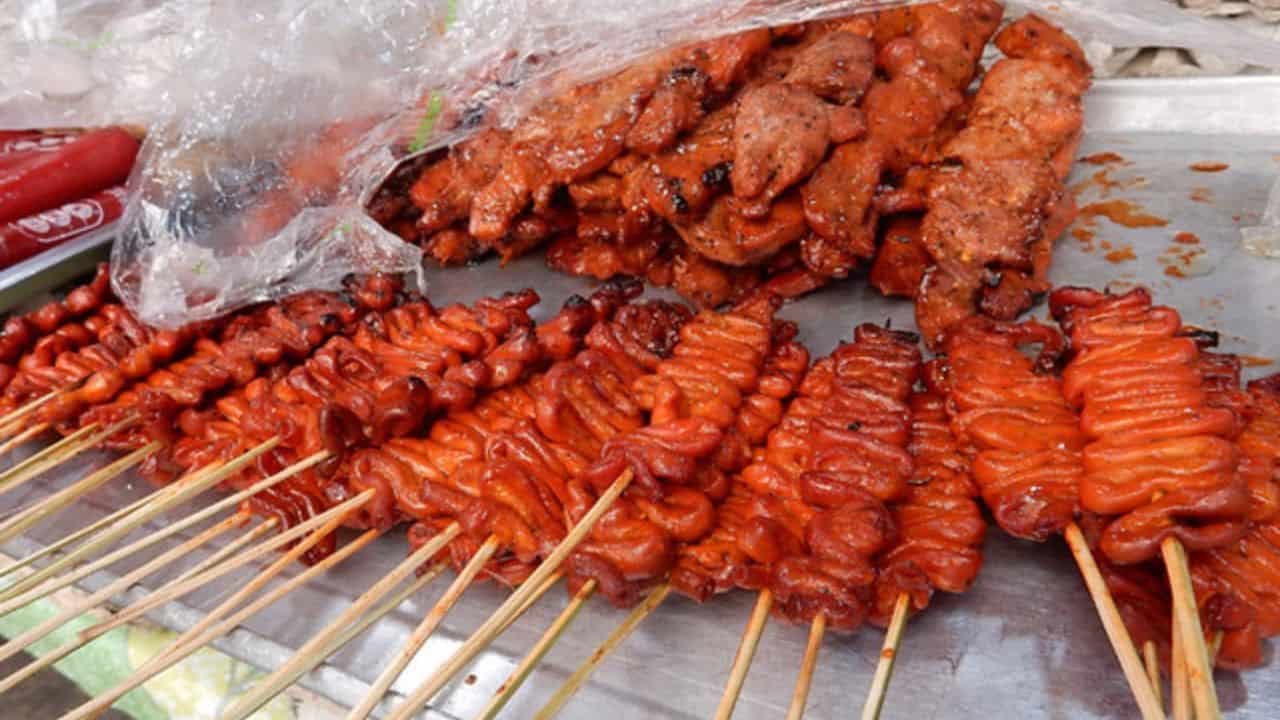
Grilled over open flames, it’s a regular part of street food life. In the Philippines, Isaw is made from fried intestines and eaten casually after work or school. Found at food stalls and often dipped in vinegar, it’s as normal as any afternoon snack for locals. Outsiders usually pause, locals don’t even blink.
Stinky Tofu – Taiwan & China
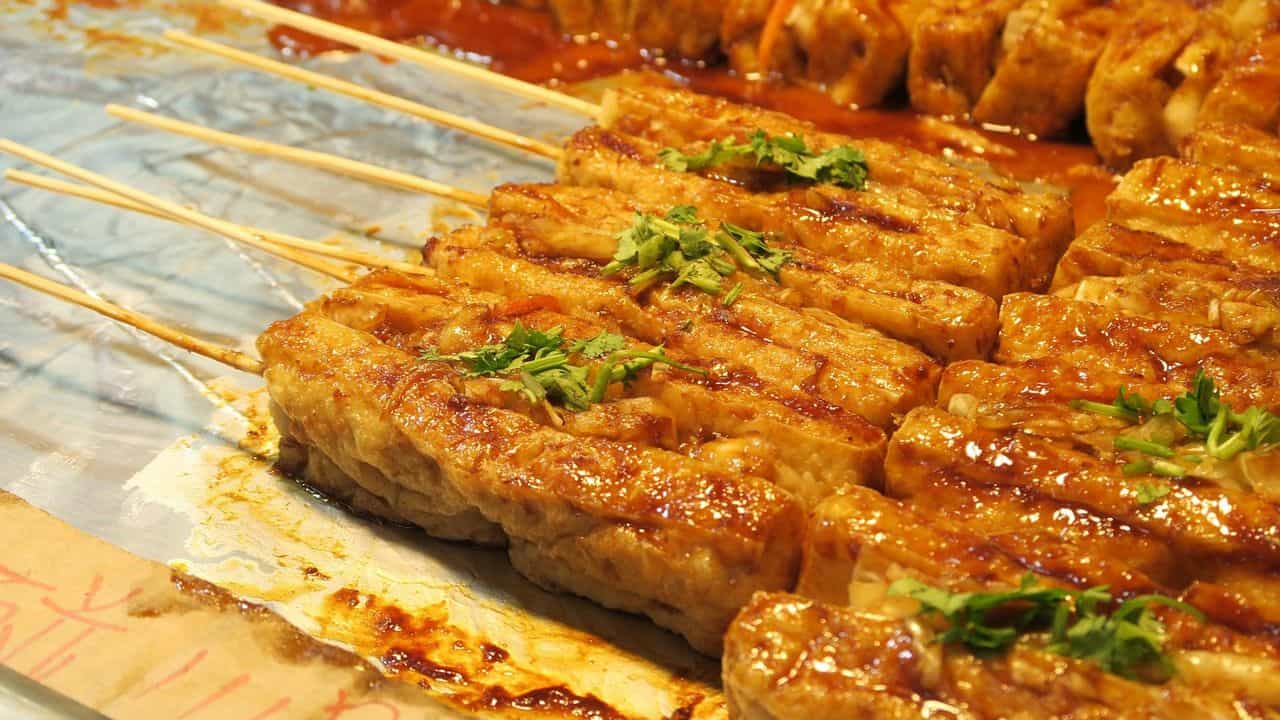
Crowds line up beside smoky stalls, noses catching it before eyes do. In Taiwan and parts of China, Stinky Tofu is beloved, despite a name that needs no translation. It’s deep-fried or braised, and the smell alone sparks debate before the first bite. One taste is enough to understand both the devotion and the hesitation.
Surströmming – Sweden
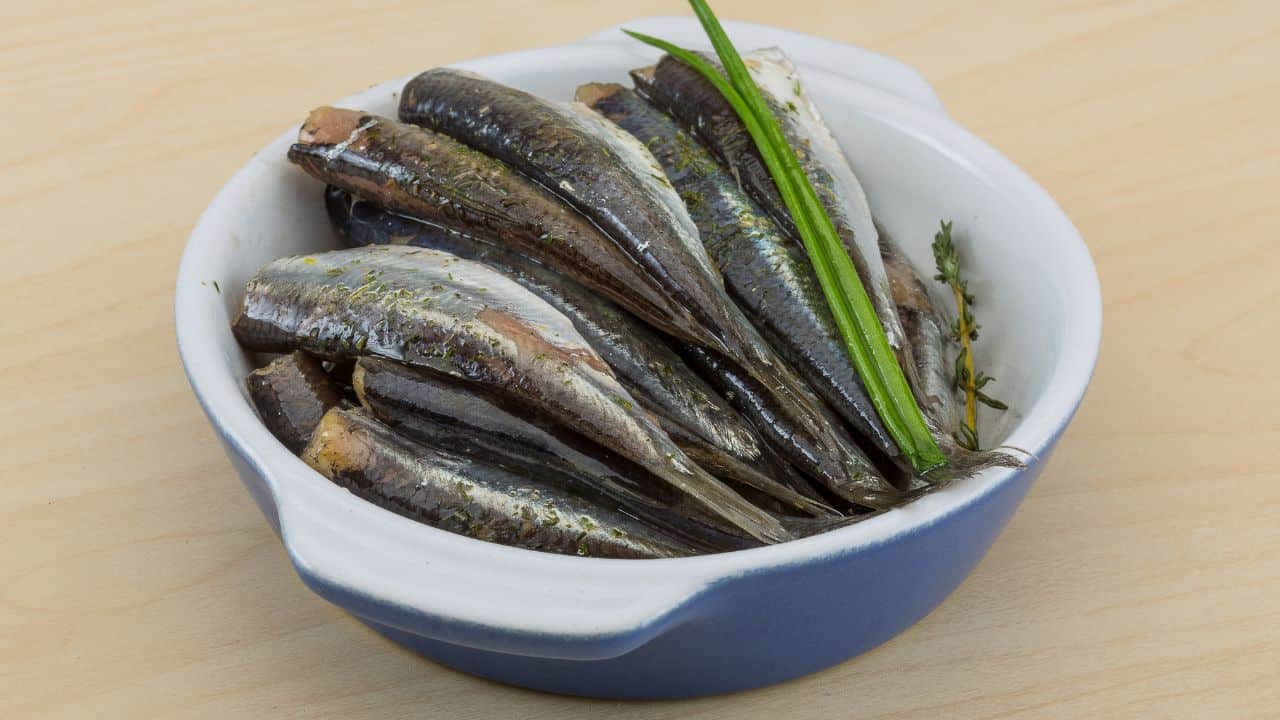
Few foods clear a room like it does. In Sweden, Surströmming is opened outdoors for good reason, with locals embracing it as part of cultural pride. The strong fermented scent makes people pause, but those who push through find a story worth telling. It's one of those things most try once—and never quite forget.
Blood Sausage (Morcilla) – Spain & Latin America
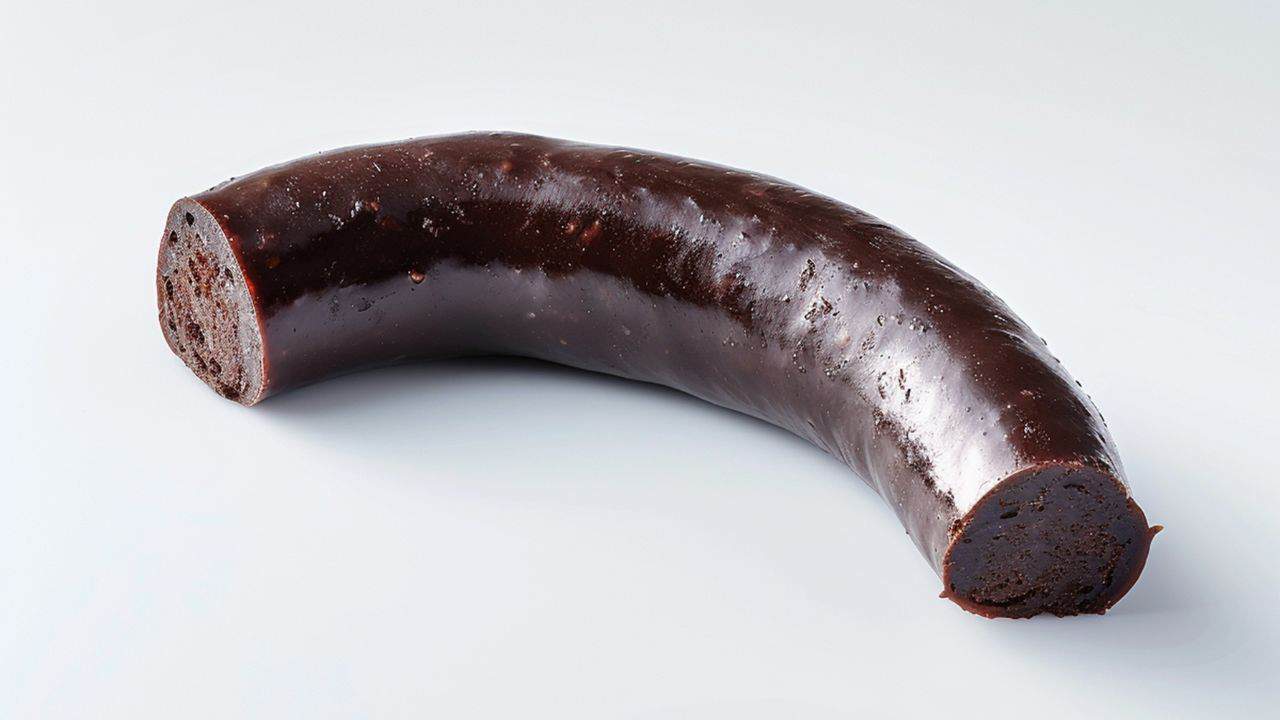
Menus include it without warning, treating it like any other favorite. In Spain and across Latin America, Morcilla is familiar, rich, and not shy about what it's made from. Often served in sandwiches or on small plates, it’s deeply tied to regional pride. First bites tend to come with hesitation, but it’s all part of the experience.
Haggis Toasties – Scotland
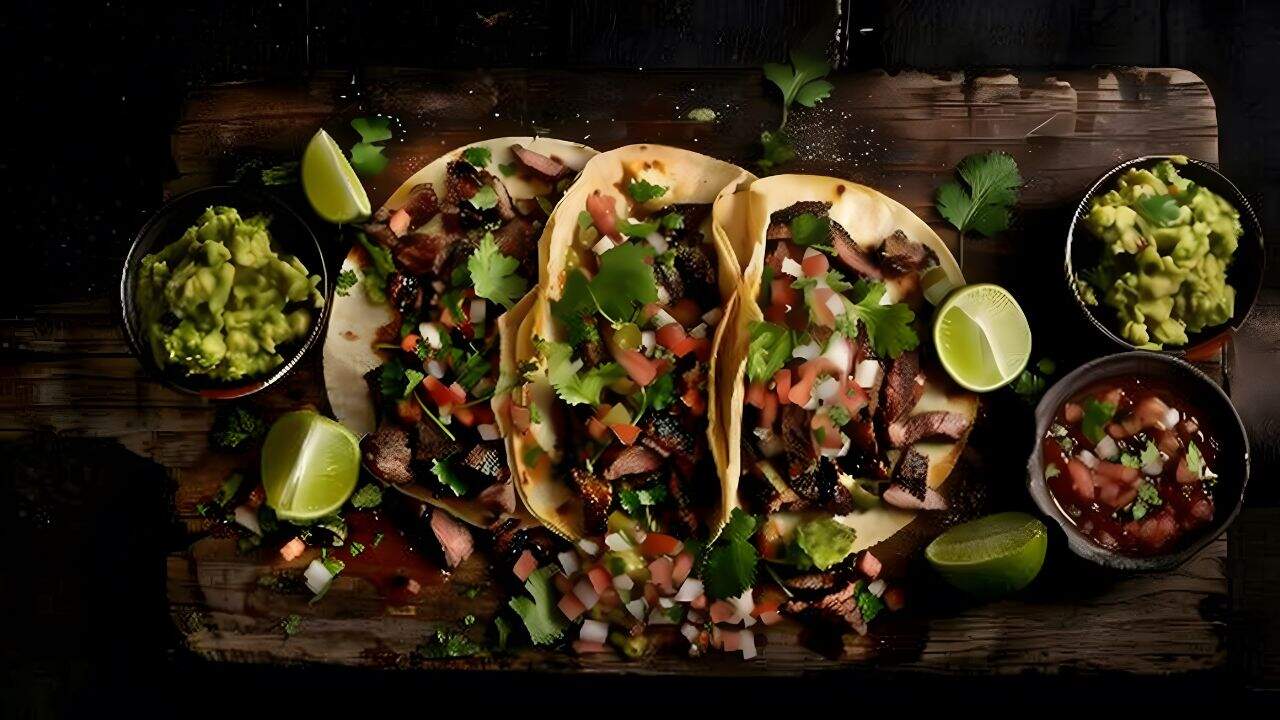
Sandwiched and toasted, it’s both comfort food and a challenge. In Scotland, Haggis Toasties make something bold feel almost easy—until you learn what’s inside. Often found in pubs or food trucks, it’s a quick bite that surprises newcomers. Few regret the try, even if only once.
Balut – Philippines
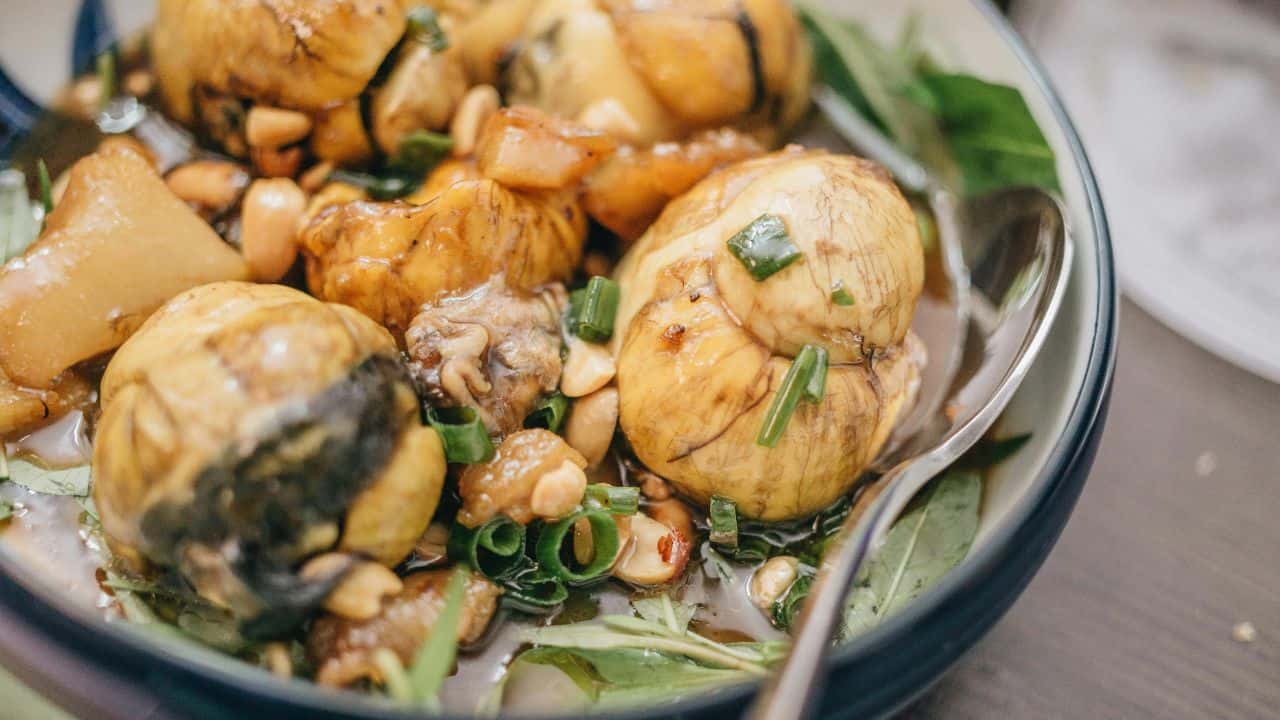
Locals grab it like it’s no big deal, especially late at night. In parts of the Philippines, Balut is both a tradition and a dare for newcomers. Sold at street corners and by mobile vendors, it’s eaten quickly but remembered for much longer. One quick look is enough to test even the boldest appetite.
Beondegi – South Korea
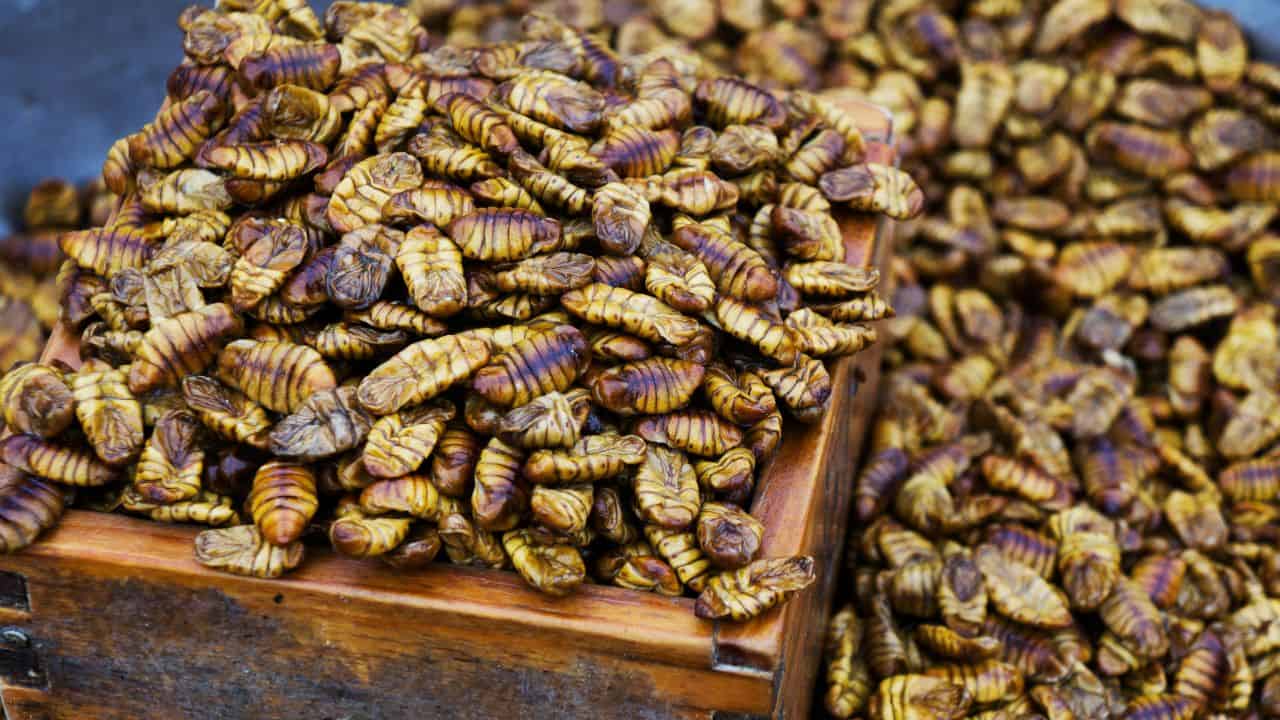
Roaming vendors steam it fresh, scent trailing through the air. In South Korea, Beondegi is common, even if its smell and texture catch most newcomers off guard. These silkworm pupae are sold in cups or bowls and eaten like snacks at parks or markets. It's chewy, strong, and not something quickly forgotten.
Fried Insects – Thailand, Cambodia, Laos
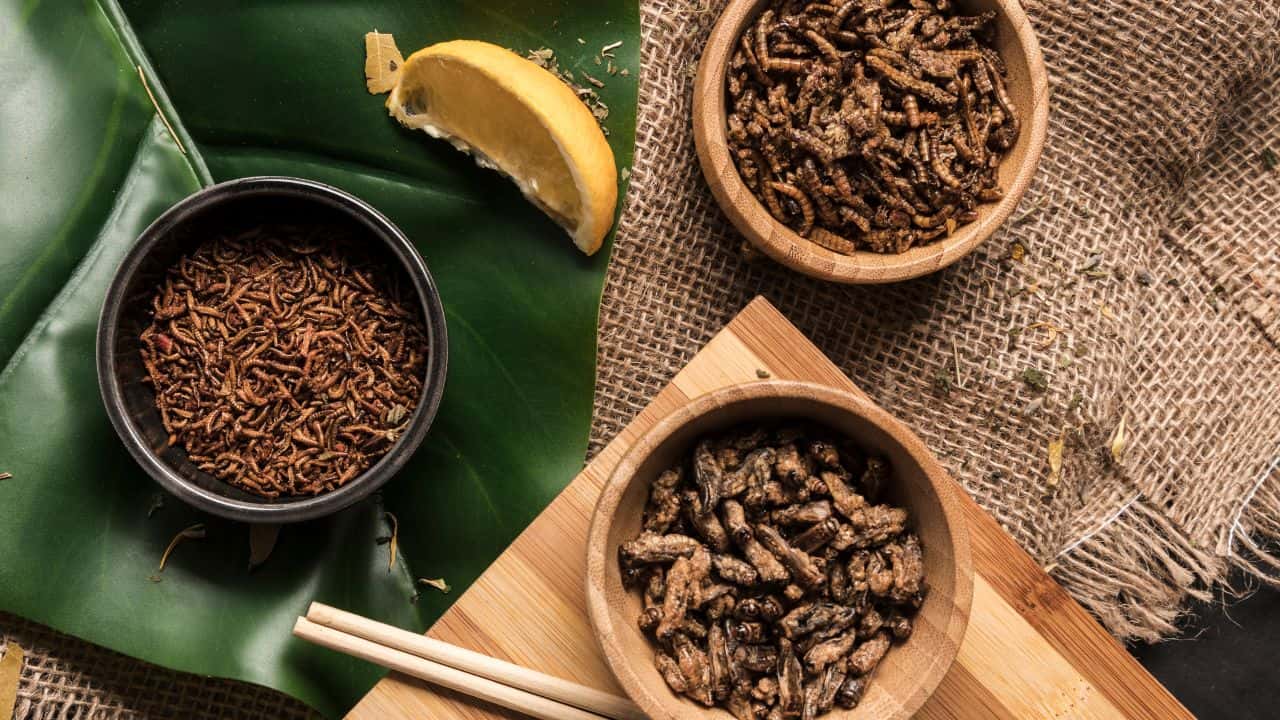
Street carts buzz with locals crunching on something most visitors walk past. In Thailand, Cambodia, and Laos, fried insects are a go-to snack, served with little fuss and lots of flavor. Grasshoppers, crickets, and silkworms show up on skewers or in bags ready to eat. Trying them takes nerve, but the memory sticks long after the bite.
Durian – Southeast Asia
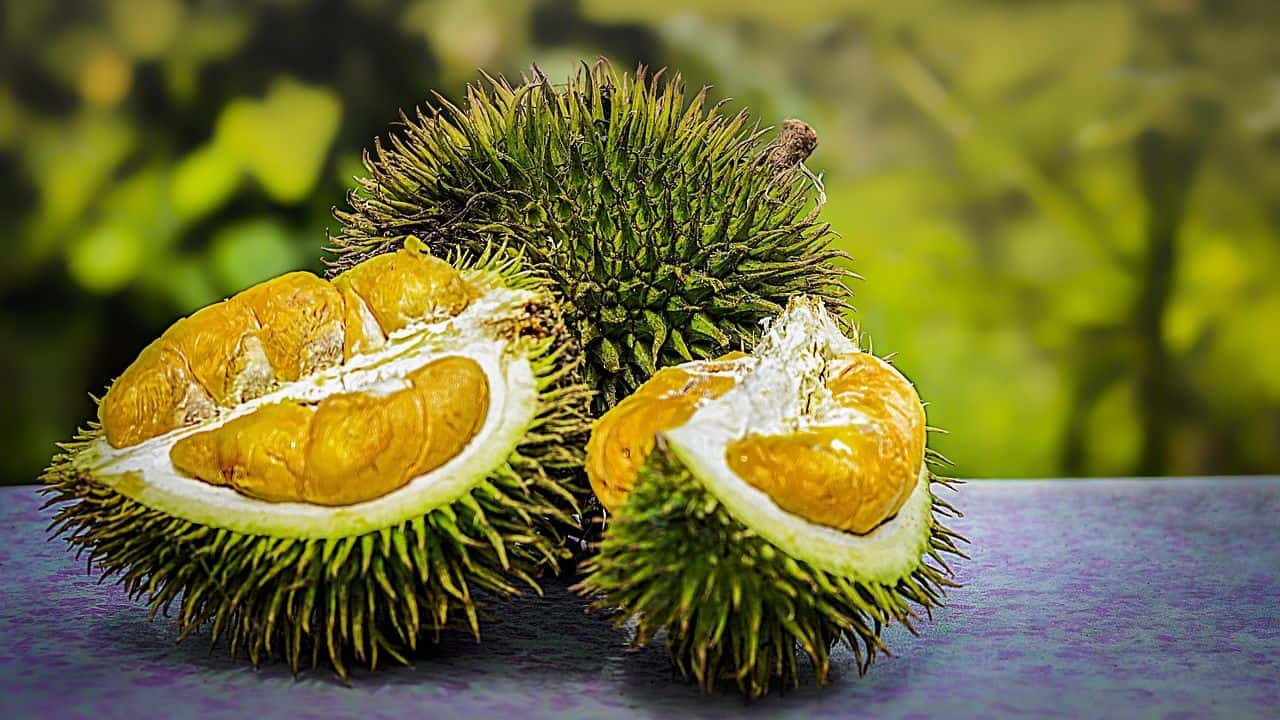
The scent travels before the fruit does. All over Southeast Asia, Durian draws strong reactions with every split shell. It’s sold at roadside stands and banned from many public spaces because of the smell. Love it or leave it, the taste never lands in the middle.

Comments
No Comments