
Cooking is full of surprises, and not everything heard in the kitchen is true. Many strange ideas about cooking have been passed down, but some are far from right. It is always good to ask questions and find out what really works.
Some myths can make cooking harder or lead to wasted food. Learning the truth can save time and make meals even better. Trying new ways can sometimes be the best way to learn.
Searing Meat Locks in Juices
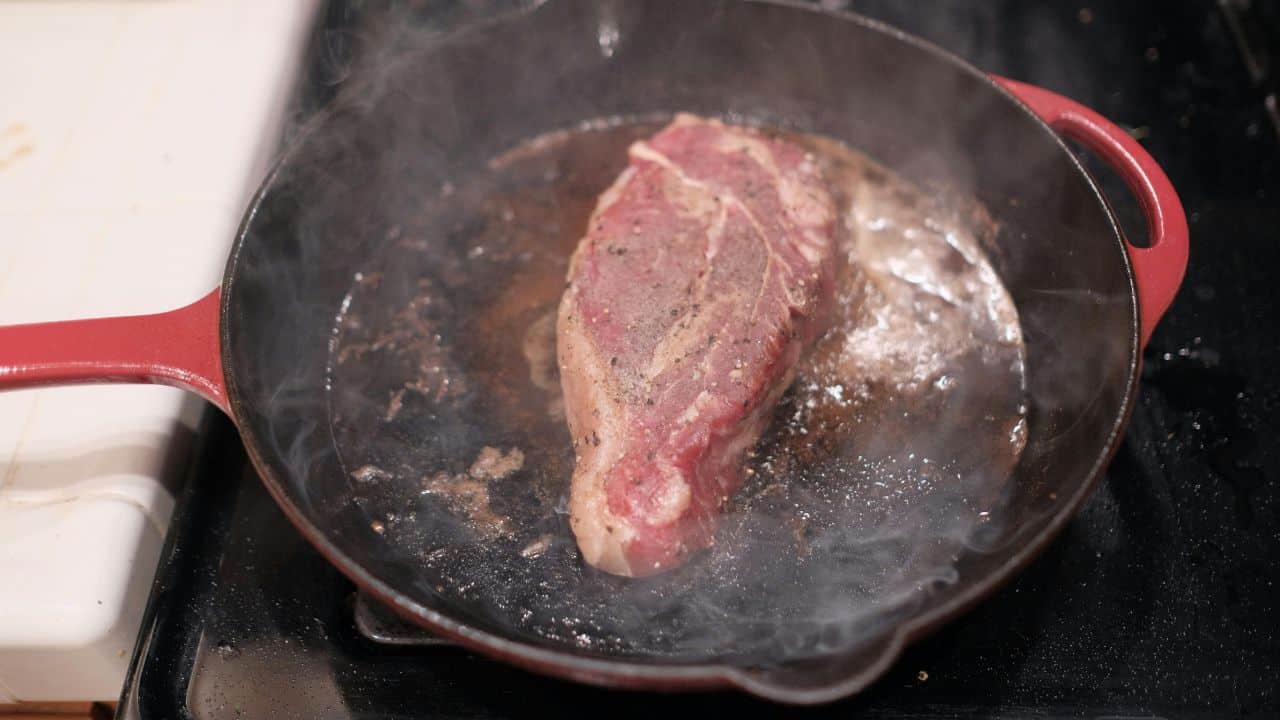
The belief that searing meat locks in juices is a common myth. While it does create a flavorful crust, it doesn’t prevent juices from escaping. Juices are still lost during cooking, no matter how well you sear the meat.
Adding Oil to Pasta Water Prevents Sticking
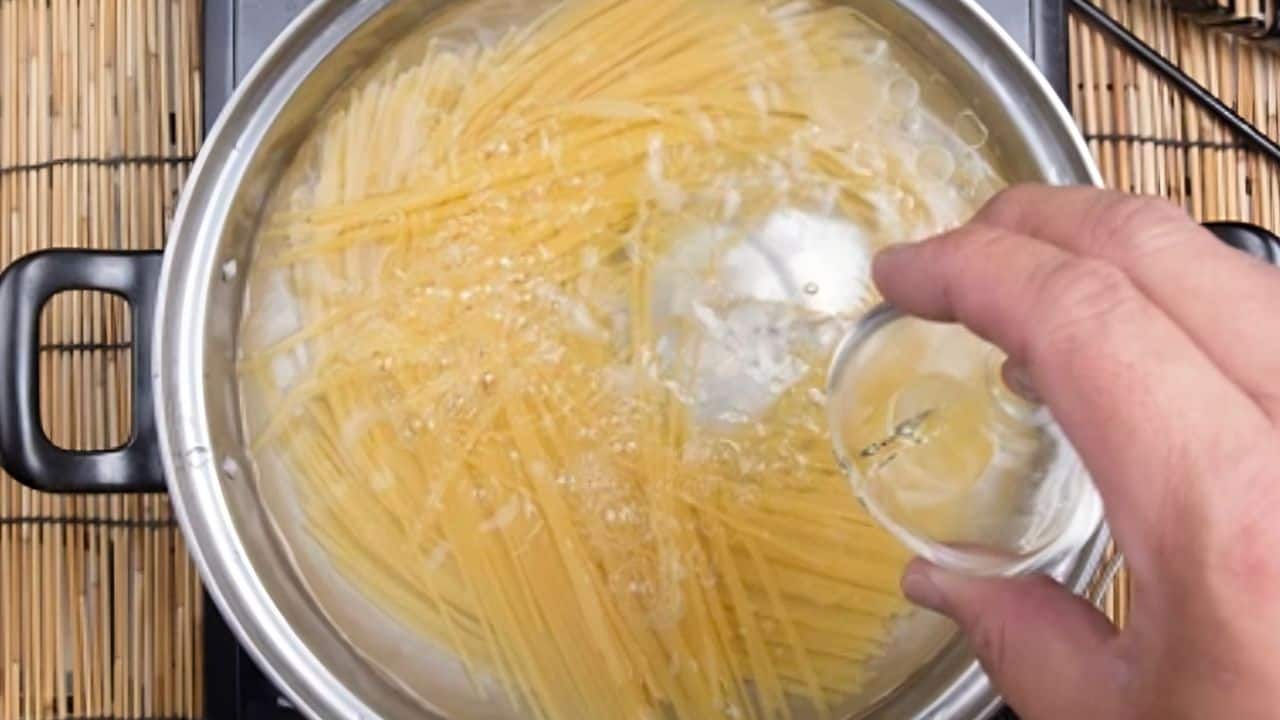
Many people add oil to pasta water, thinking it prevents sticking. In reality, oil floats on top of the water and doesn’t affect the pasta. Stirring the pasta while it cooks is the key to avoiding clumps.
Cooking Vegetables Removes All Nutrients
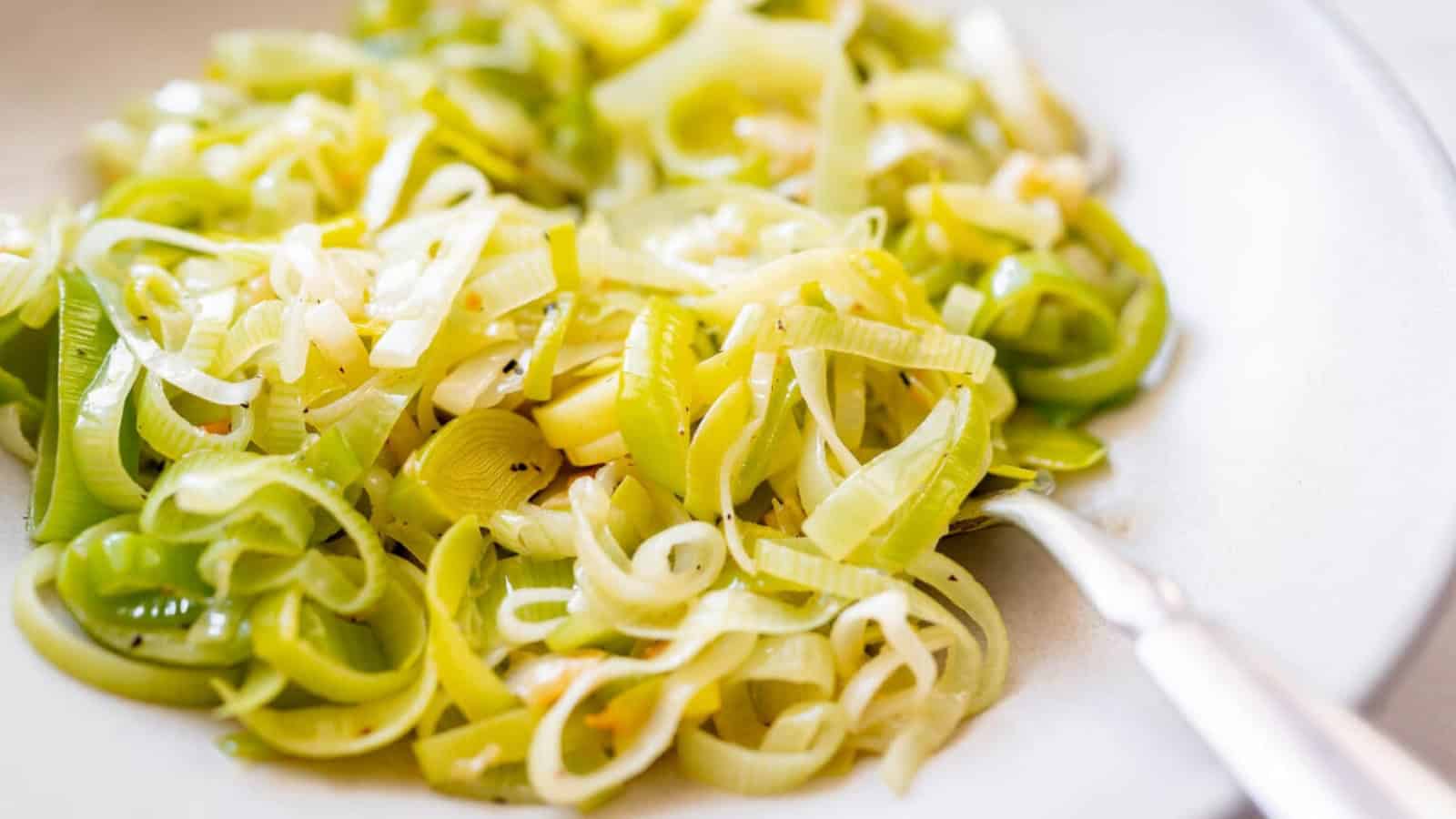
There’s a misconception that cooking vegetables destroys all their nutrients. While some nutrients are lost during cooking, others, like beta-carotene, actually become more accessible. Different cooking methods can even enhance the nutritional profile of certain veggies.
Washing Mushrooms Makes Them Soggy
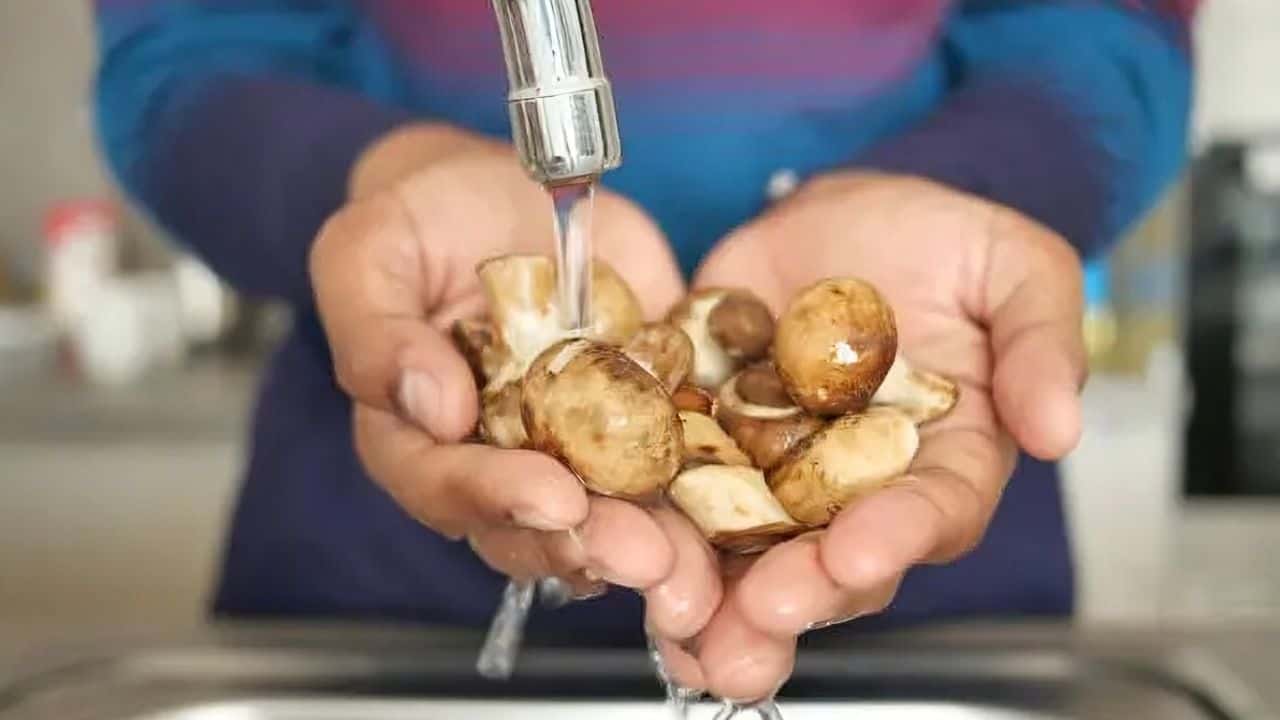
Some believe washing mushrooms makes them absorb water and become soggy. However, a quick rinse won’t hurt, as mushrooms don’t soak up as much water as you might think. They’re perfectly fine to wash before cooking.
Alcohol Burns Off Completely During Cooking
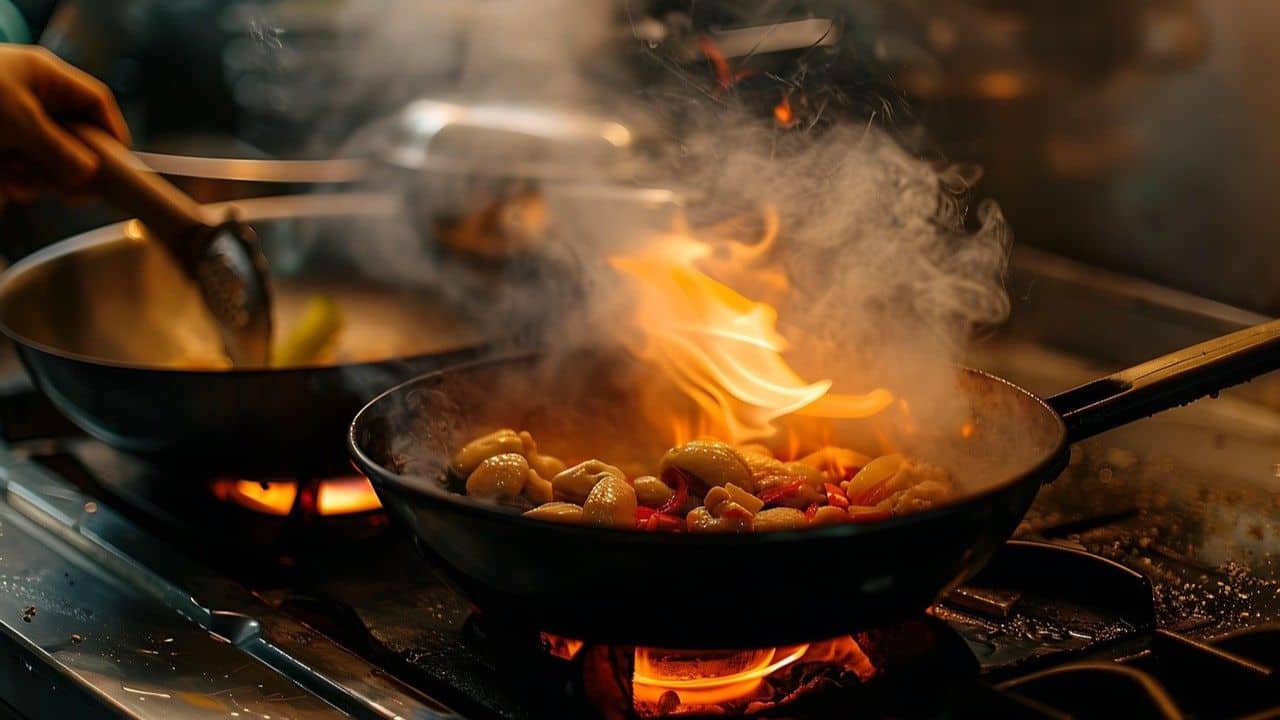
The idea that all alcohol burns off during cooking is misleading. The amount that remains depends on the cooking method and time. Longer cooking times and higher heat reduce the alcohol content, but it’s rarely eliminated entirely.
Salt in Water Makes It Boil Faster
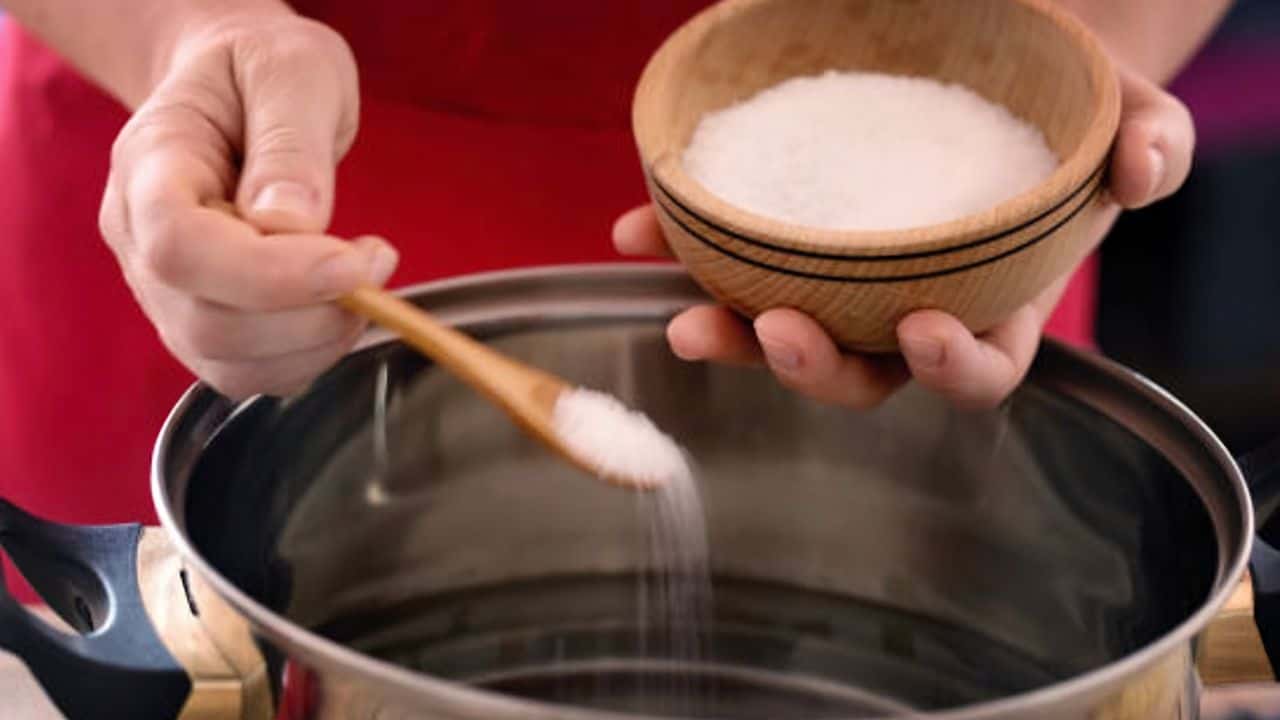
Adding salt to water is often thought to make it boil faster. While salt does raise the boiling point, the effect is minimal and doesn’t save significant time. Instead, salt is better used for seasoning the water to enhance flavor.
Butter Is Best for Non-Stick Cooking
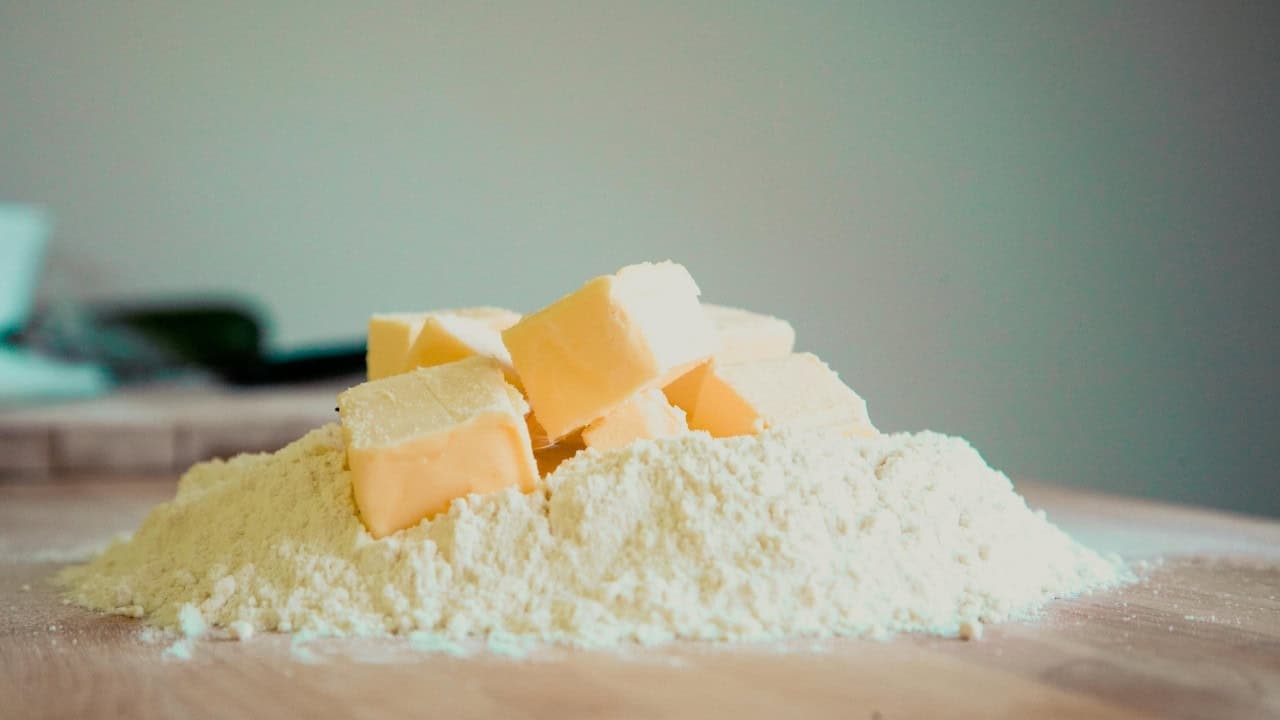
Butter is often praised for its flavor, but it’s not ideal for non-stick cooking. Its low smoke point means it burns quickly, making oils with higher smoke points a better option. Butter works best for flavoring at the end of cooking.
The More You Stir, the Better
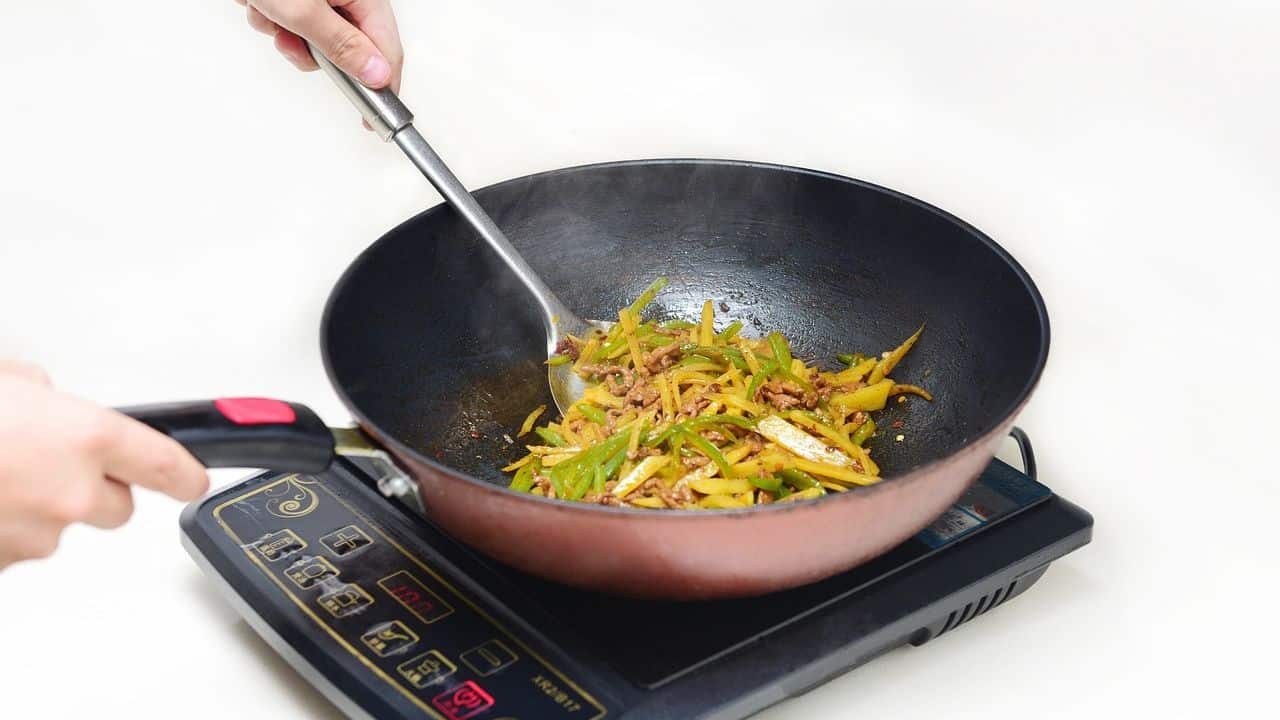
Over-stirring is thought to improve consistency, but it can have the opposite effect. In dishes like risotto, too much stirring can break down starches and create a gluey texture. Stirring gently and at the right intervals is key.
Baking Soda Lasts Forever
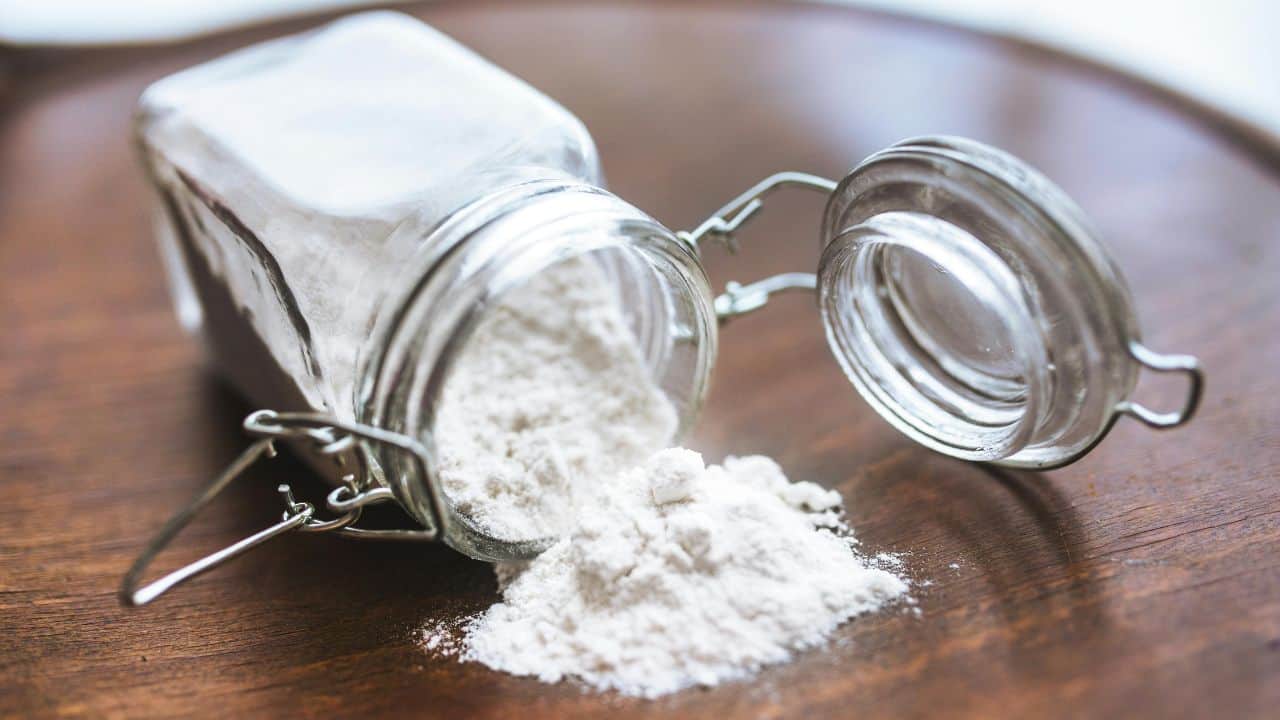
Baking soda is often seen as a pantry staple that never goes bad. In reality, it loses its potency over time, especially if exposed to air or moisture. To test its effectiveness, mix it with vinegar—if it bubbles, it’s still good.
Peeling Potatoes Before Boiling Saves Time
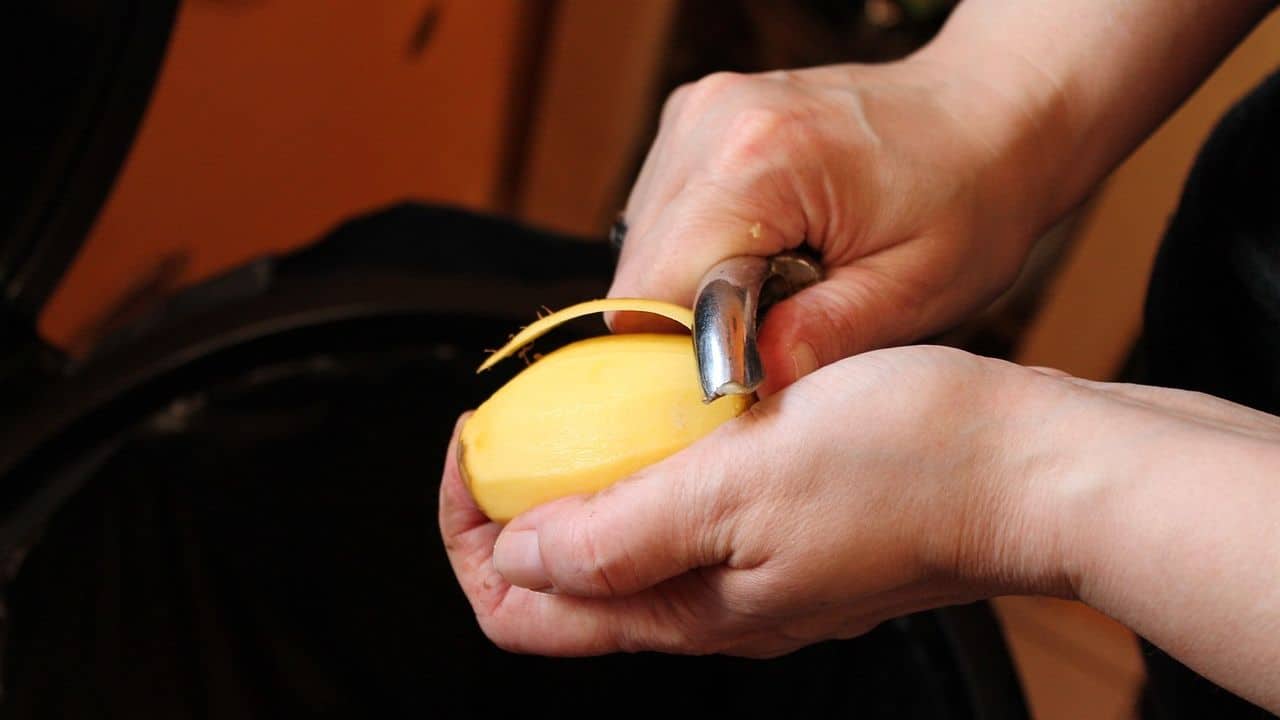
Peeling potatoes before boiling might seem like a time-saver, but it’s not always the case. Boiling them with the skin on can actually speed up cooking and preserve nutrients. Plus, the skin can easily be removed after boiling.
You Should Rinse Cooked Pasta
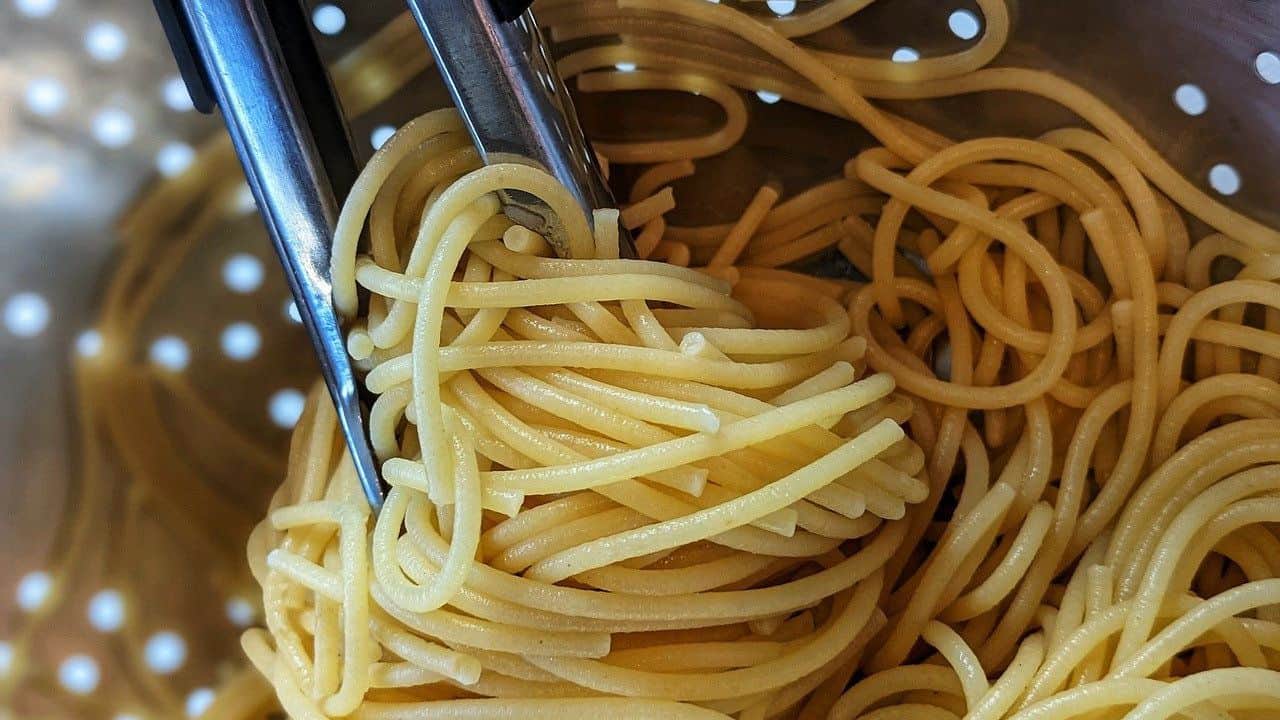
It’s a common belief that rinsing pasta after cooking is necessary to remove excess starch. However, this practice washes away the starch that helps sauces stick to the pasta. Unless you’re making a cold dish like pasta salad, it’s best to skip the rinse for a better texture and flavor.

Comments
No Comments