
Many foods today are easy to find and used every day, but they were once rare and special. They came from distant lands, surprising people with their flavors and uses. These foods changed history, bringing different cultures together through trade and discovery.
Over time, these 10 items became part of kitchens and meals everywhere. Their journey from unfamiliar to essential shows how food connects the world. Each one tells a story of travel, tradition, and transformation that shaped how people eat today.
Bananas
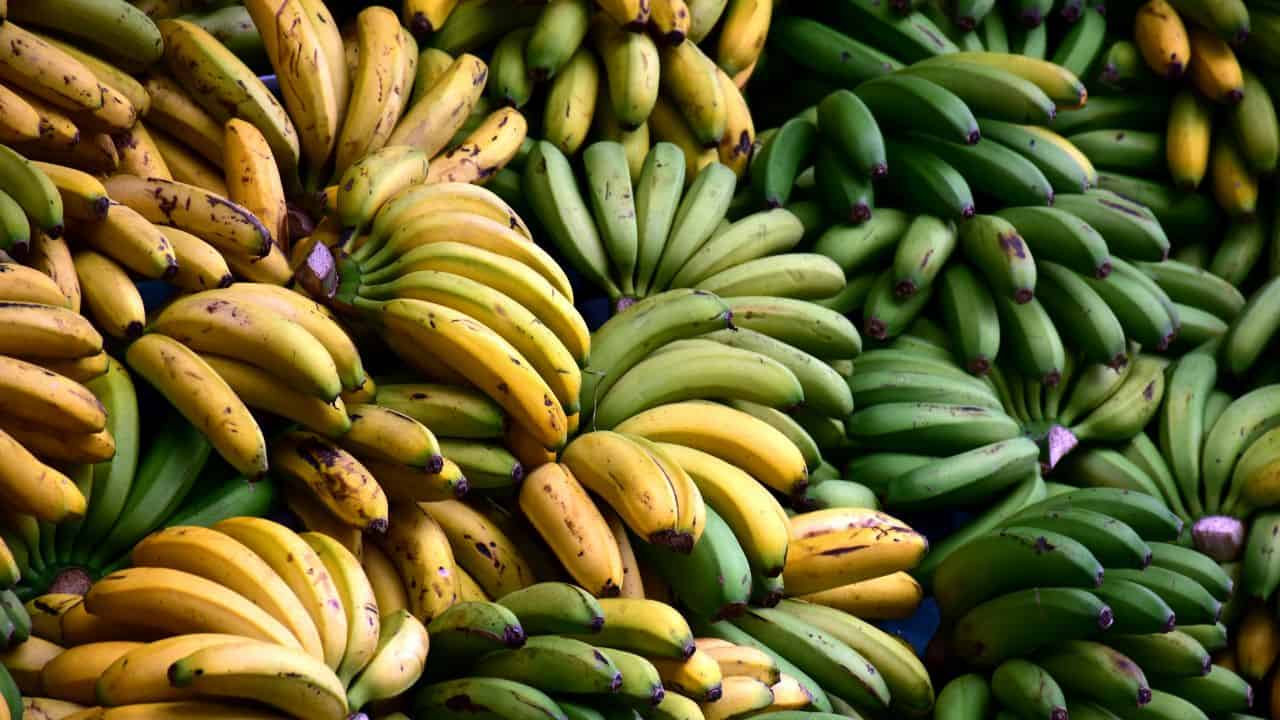
A fruit that once carried an air of novelty is now a global staple in meals and snacks. Bananas, originally from Southeast Asia, were considered exotic due to their tropical origins and limited accessibility. Through trade, they’ve transitioned from rarity to an everyday pantry item worldwide.
Tomatoes

Introduced from South America, they once intrigued early European settlers as an unfamiliar and exotic fruit. Tomatoes eventually became essential in shaping cuisines like Italian and Mexican, redefining how dishes were created. From rare discovery to kitchen must-have, they show how food can connect cultures.
Ginger

Once regarded as a prized spice due to its limited availability, ginger originated from Southeast Asian regions. Known for its bold flavor and potential health benefits, it was traded globally and integrated into a variety of cooking styles. Today, ginger is commonly found in dishes, teas, and even desserts as its popularity has grown tremendously.
Chocolate

Once reserved for royalty, chocolate originally came from cacao trees cultivated in Central and South America. It began as a rare luxury, often enjoyed only as a unique beverage before spreading to other forms. Over time, it gained widespread appeal and use in desserts, beverages, and even savory recipes. The everyday treat of chocolate has a rich past rooted in trade and cultural exchange.
Mango

For centuries, mango was prized in South Asia but less known in other regions, making it an exotic rarity. Today, its natural sweetness and versatility have made it a favorite ingredient in cuisines around the globe. Its global journey marks it as one of the most beloved fruits that overcame geographical boundaries.
Chili Peppers

Early explorers marveled at these fiery fruits from the Americas, bringing them into new territories through trade. Chili peppers revolutionized cooking in regions like Asia and Africa with their intense spice and depth of flavor. Over centuries, they shifted from an exclusive ingredient to a universal spice embraced worldwide.
Soy Sauce

Developed over 2,000 years ago in ancient China, soy sauce was considered a specialty ingredient far removed from many regions. Its rich flavor gave depth to recipes and shaped how Asian cuisine was shared through trade over time. Today, soy sauce is a standard condiment found in homes, restaurants, and recipes around the world.
Cinnamon

A substance once valued like gold, cinnamon came from the bark of trees native to South Asia and the Middle East. Treasured for its warm flavor, it traveled through trade routes to influence dishes across numerous cultures. From ancient luxury to everyday spice, cinnamon is now found in breakfasts, baking, and drinks without a second thought. Its rarity in earlier eras emphasizes how history shaped its modern-day ubiquity.
Avocados

Native to Central America, avocados were once exotic to regions unfamiliar with their creamy and rich appeal. It wasn’t until modern trade expanded access that avocados became an everyday staple in markets and kitchens. They’ve transformed from rare delicacy to a critical part of modern food trends.
Coffee

Long ago, coffee’s energizing properties intrigued early traders in Africa and the Middle East. Introduced across regions in the form of beans, its eventual widespread appeal made it an important household beverage. Coffee shifted from an exotic luxury to an indispensable part of daily routines for millions worldwide.

Comments
No Comments