


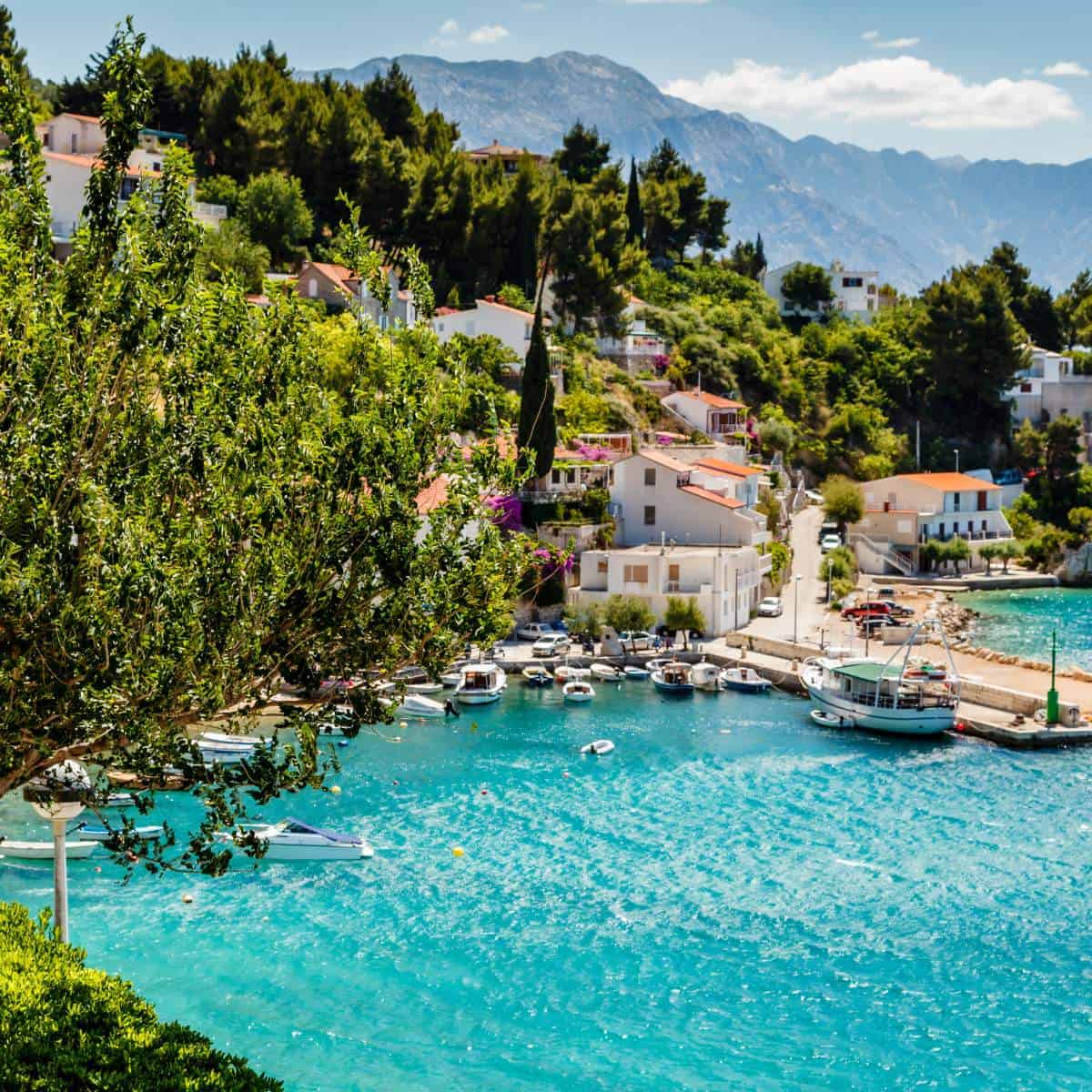
Dalmatia is a beautiful region located on the Adriatic coast, known for its stunning beaches, crystal-clear waters, and rich cultural heritage. But what really sets this region apart is its cuisine. Dalmatia food is a unique blend of Mediterranean and Balkan influences.
Seafood is a staple of Dalmatian cuisine, with fresh fish, squid, and octopus being particularly popular. These are often grilled or baked with herbs and olive oil. Meat lovers will also find plenty to enjoy, with dishes such as lamb and pork roasted on a spit, or slow-cooked in a traditional peka pot.
Jump to:
One of the most famous Dalmatian dishes is black risotto, made with squid ink, cuttlefish, and olive oil. This dish is a must-try for anyone visiting the region, as it perfectly encapsulates the unique flavors and traditions of Dalmatian cuisine. Whether you're a foodie or just looking to experience something new, Dalmatia food is sure to leave a lasting impression.
SAVE ON PINTEREST
Dalmatian Cuisine Overview
Dalmatian cuisine is a blend of traditional and modern culinary influences. It is a cuisine that is deeply rooted in the history and culture of the Dalmatian region of Croatia. This cuisine is characterized by the use of fresh, local ingredients, which are prepared with simple cooking techniques to create dishes that are both healthy and delicious.
Historical Influences
Dalmatian cuisine has been influenced by a variety of cultures throughout history. The cuisine of Dalmatia has been shaped by the region's proximity to the Mediterranean, as well as by the various cultures that have occupied the region over the centuries. The Venetians, for example, had a significant impact on the cuisine of Dalmatia, introducing new ingredients and cooking techniques to the region.
Local Ingredients
Dalmatian cuisine is characterized by the use of fresh, local ingredients. The region's proximity to the Mediterranean Sea means that seafood is a major component of Dalmatian cuisine. Fish and shellfish are often grilled or roasted and served with simple accompaniments such as olive oil, garlic, and lemon.
In addition to seafood, Dalmatian cuisine also features a variety of meats, including lamb, pork, and beef. These meats are often slow-cooked and served with vegetables such as potatoes, carrots, and onions.
Other key ingredients in Dalmatian cuisine include olive oil, garlic, and herbs such as rosemary, thyme, and oregano. These ingredients are used to add flavor to a variety of dishes, from grilled fish to slow-cooked stews.
Overall, Dalmatian cuisine is a celebration of fresh, local ingredients and simple cooking techniques. It is a cuisine that reflects the region's history and culture and is enjoyed by locals and visitors alike.

Signature Dishes of Dalmatia
Here are some of the signature dishes that represent the region's culinary heritage:
Peka
Peka is a traditional Dalmatian dish that consists of meat and vegetables cooked under a bell-shaped lid in a fireplace or oven. The dish is typically made with lamb or beef, potatoes, onions, garlic, and other vegetables, and is flavored with herbs such as rosemary and bay leaves. The meat and vegetables are cooked slowly for several hours, resulting in a tender and flavorful dish that is perfect for sharing with family and friends.
Soparnik
Soparnik is a savory pie made with Swiss chard, onions, garlic, and olive oil. The filling is sandwiched between two layers of dough, which are then baked until golden brown. Soparnik is a traditional dish from the island of Vis and is often served as a main course or as an appetizer.
Crni Rižot
Translated as black risotto, crni rižot is a seafood dish that is made with squid ink, giving it its characteristic black color. The dish is typically made with cuttlefish, mussels, and other seafood, and is flavored with garlic, onions, and olive oil. The rice is cooked slowly in a fish broth until it absorbs all the flavors, resulting in a rich and flavorful dish.
Pašticada
Pašticada is a beef stew that is slow-cooked with red wine, vinegar, prunes, and spices. The dish is traditionally served with homemade gnocchi or polenta and is a staple of Dalmatian cuisine. The beef is marinated overnight in a mixture of red wine, vinegar, and spices, giving it a deep and complex flavor.
Brudet
Brudet is a fish stew that is made with a variety of seafood, including sea bass, cuttlefish, and oysters. The dish is flavored with garlic, onions, tomatoes, and lemon juice and is typically served with polenta or bread. Brudet is a popular dish along the Dalmatian coast and is often served at special occasions such as weddings and holidays.

Salata od Hobotnice
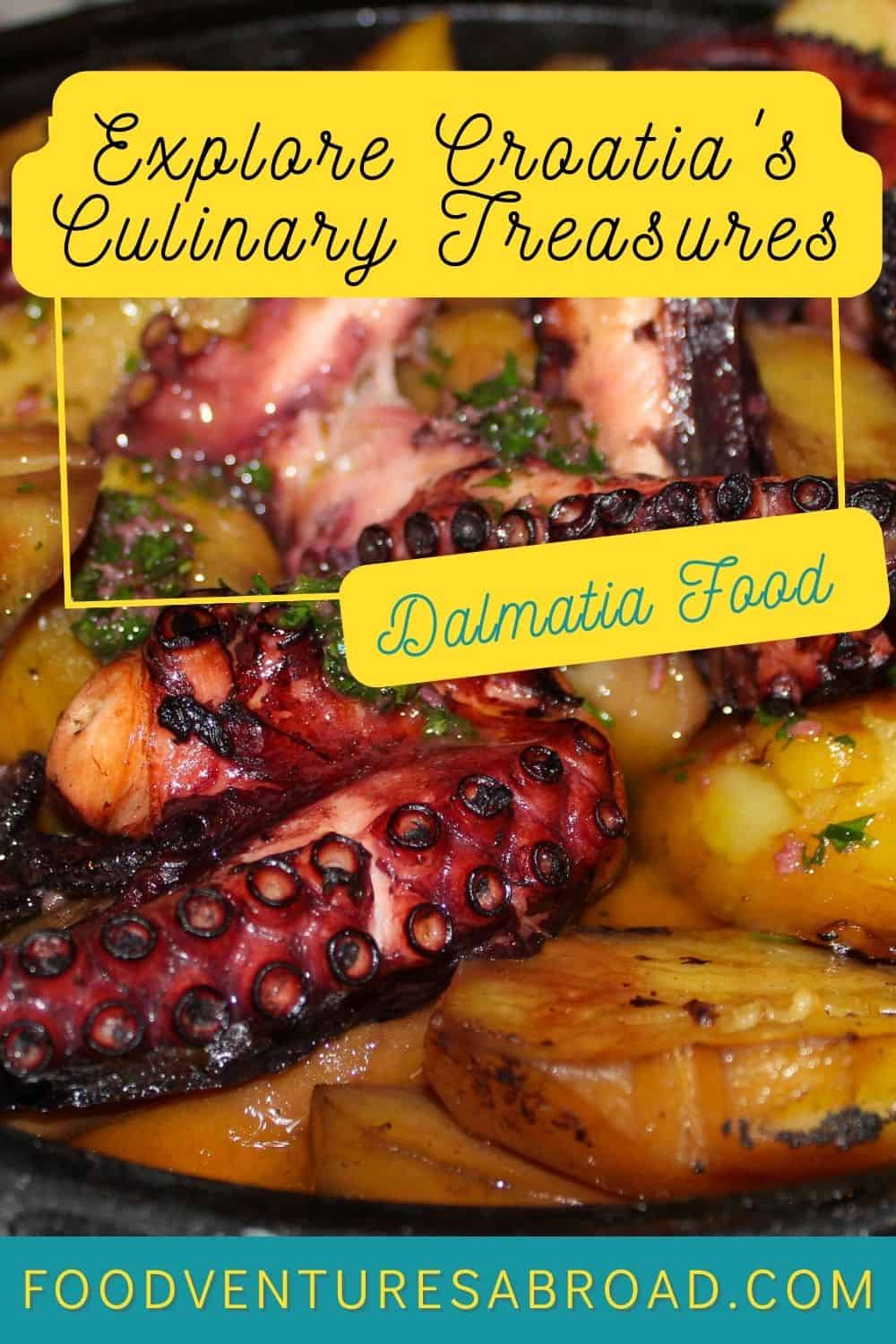
Salata od Hobotnice is a traditional octopus salad that is made with boiled octopus, red onions, garlic, and parsley. The salad is dressed with olive oil and vinegar and is typically served as an appetizer or side dish. The octopus is boiled until tender and is then sliced into small pieces.
Rožata
Rožata is a Croatian dessert that is similar to caramel flan. The dessert is made with eggs, milk, sugar, and caramel and is typically flavored with lemon zest and vanilla. Rožata is baked in a water bath until it is set and is then chilled before serving.
Buzara
Buzara is a seafood dish that is made with mussels, shrimp, or other shellfish. The dish is flavored with garlic, onions, and white wine and is typically served with bread or polenta. Buzara is a popular dish along the Dalmatian coast and is often served at seaside restaurants.
Pršut
Pršut is a type of dry-cured ham that is similar to Italian prosciutto. The ham is made from the hind leg of a pig and is cured with salt and spices for several months. Pršut is typically served thinly sliced as an appetizer or as part of a charcuterie board.
Pag Cheese
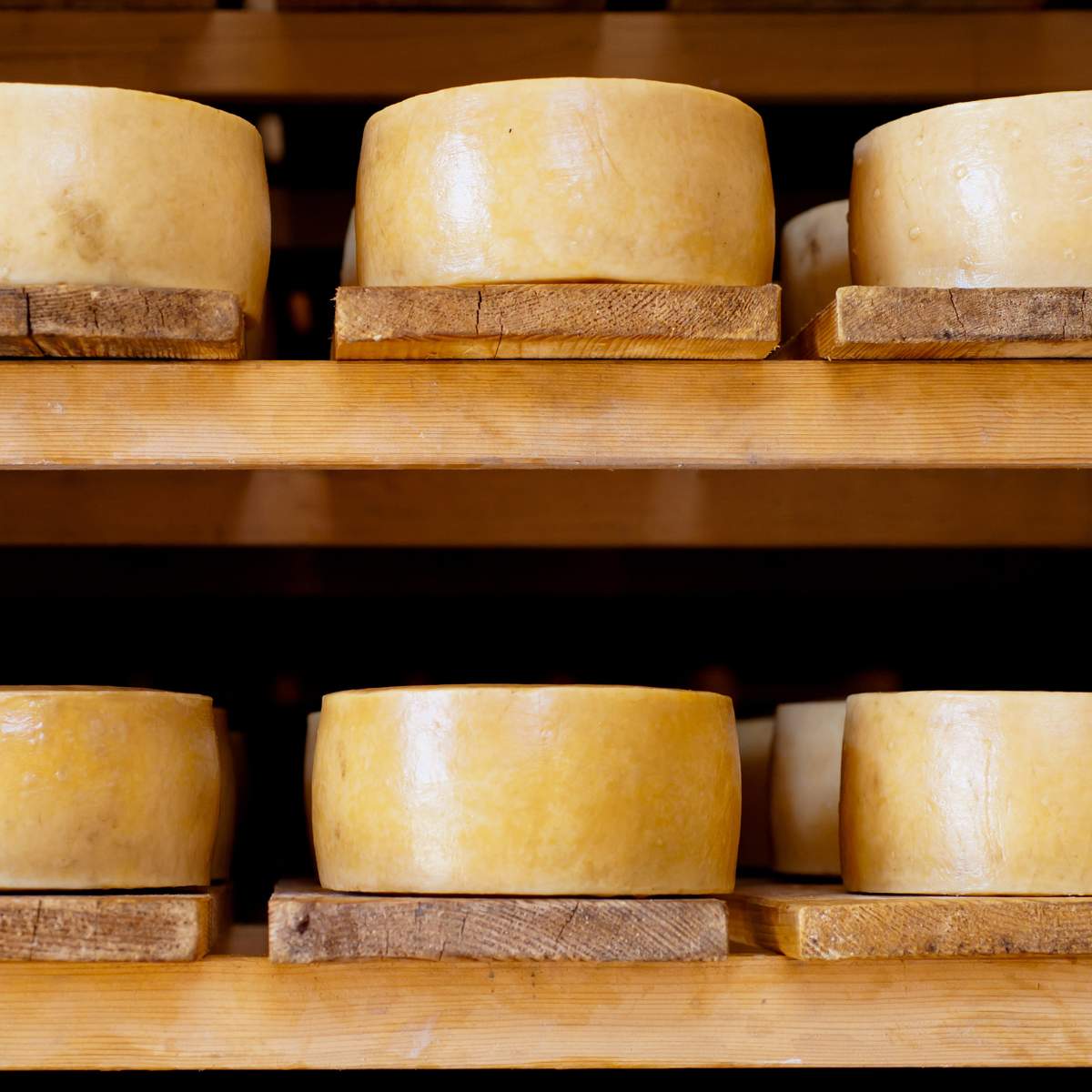
Pag cheese is a type of sheep's milk cheese that is produced on the island of Pag. The cheese is aged for several months and has a distinct flavor that is tangy and slightly salty. Pag cheese is often served as an appetizer or as part of a cheese plate and pairs well with local wines.
Overall, these signature dishes of Dalmatia showcase the region's rich culinary heritage and use of fresh ingredients sourced from the Mediterranean Sea and surrounding areas.

Cooking Techniques and Styles
Dalmatian cuisine is known for its simple yet flavorful cooking techniques and styles. The use of fresh and locally sourced ingredients is the key to the region's delicious dishes. In this section, we will explore some of the most popular cooking techniques and styles used in Dalmatia.
The Art of Grilling
Grilling is a popular cooking technique in Dalmatia. Dalmatians love to grill meat, especially lamb, beef, veal, and pork. The meat is usually marinated in olive oil, garlic, and herbs before being grilled to perfection. Skewers are a popular way to cook meat on the grill, and they are often served with grilled vegetables, such as peppers and onions.
Slow-Cooked and Stewed
Slow-cooked and stewed dishes are also popular in Dalmatia. Peka is a traditional dish that is slow-cooked in a covered pot, usually over an open fire. The dish consists of meat, potatoes, and vegetables, and is flavored with olive oil and herbs. Stews are also popular, especially beef and veal stews. The meat is usually cooked with onions, garlic, and tomatoes, and is flavored with herbs such as rosemary and thyme.
Fresh and Marinated Preparations
Fresh and marinated preparations are also a hallmark of Dalmatian cuisine. Marinating meat and fish in olive oil, garlic, and herbs is a popular way to add flavor to the dish. Octopus salad is a popular marinated dish that is made with boiled octopus, onions, garlic, and parsley and is dressed with olive oil and vinegar. Fresh salads are also popular, especially those made with locally sourced vegetables such as tomatoes, cucumbers, and peppers.

Comments
No Comments